

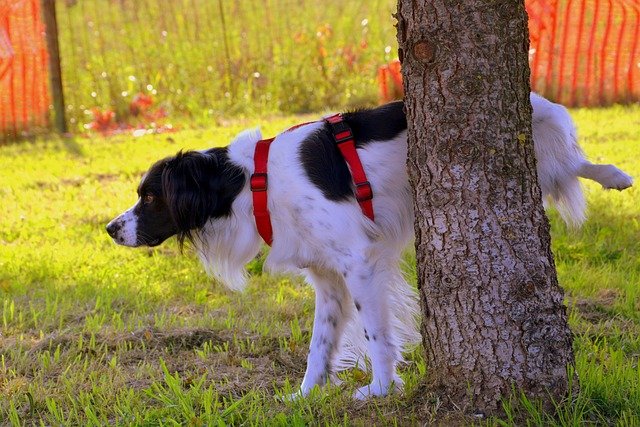
Frequent peeing, accidents in the house, or a dog who squats and strains with little to show for it: these are classic signs of a urinary tract infection. The visit itself is usually affordable, but the total depends heavily on testing. Expect roughly $150 to $400 for a typical exam, urinalysis, and urine culture, before medication.
This guide breaks down what each part of the bill covers, why vets push for a culture, and which situations cost more.
Signs Your Dog May Have a UTI
The Merck Veterinary Manual lists these common signs of a bladder infection:
- Peeing more often, or in small amounts
- Straining or discomfort while urinating
- Blood in the urine, sometimes most noticeable at the end of the stream
- Accidents in the house or peeing in unusual places
- In more serious cases, fever, lethargy, vomiting, or reduced appetite
Some dogs show no signs at all. Merck notes that bacteria can turn up in urine without symptoms, and that this “subclinical bacteriuria” usually doesn’t need treatment. It’s one reason vets look at the whole picture rather than a single test result.
Treat these as urgent: straining without producing any urine (this can signal a blockage), fever, vomiting, lethargy, or pain over the back or belly. Those can point to a kidney infection or another emergency.
Which Dogs Get UTIs Most Often
According to Merck, female dogs are at higher risk because their urethra is shorter and closer to the anus. Other risk factors include:
- Diabetes, kidney disease, or Cushing’s disease
- Long-term steroid use or a weakened immune system
- Not fully emptying the bladder
- Anatomy issues such as a recessed vulva
- Older, intact males
If your house-trained dog suddenly starts having accidents, rule out a medical cause before assuming it’s a training problem. Our guide to potty training regression covers that distinction for younger dogs.
What a Dog UTI Costs, Line by Line
The culture is the biggest single test cost, and also the most useful one.
Prices vary by region and clinic type. The ranges below come from published U.S. cost guides (Vety, updated June 2025, and SpectrumCare, updated March 2026). Use them to sanity-check an estimate, not as a quote.
| Item | Typical range | What it does |
|---|---|---|
| Exam fee | Varies by clinic | Physical exam and history |
| Urinalysis (vet office) | $80–$150 | Checks concentration, blood, crystals, and cells |
| Urinalysis (low-cost clinic) | $35–$85 | Same test, lower overhead |
| Urine culture | $80–$250 | Identifies the bacteria and which antibiotics will work |
| Full visit (exam, collection, urinalysis, culture) | $150–$400+ | Typical total before medication |
| Advanced workup tier (per SpectrumCare) | $350–$800 | More extensive testing, such as for recurrent infections |
Antibiotics add to the bill, and the amount depends on the drug, your dog’s size, and how long treatment runs. Ask for a written estimate that includes medication.
When I lined these numbers up, the part that stood out was how the culture changes the math. It costs more up front, but it can prevent paying for the wrong antibiotic and a second visit.
Why Vets Recommend a Urine Culture
A full exam helps separate a simple bladder infection from something that needs more workup.
Merck calls a quantitative urine culture the gold standard for diagnosing bacterial cystitis. A urinalysis can suggest infection, but only a culture confirms which bacteria are present and which antibiotics they respond to.
How the sample is collected matters too. Vets prefer cystocentesis, where a small needle collects urine directly from the bladder. It sounds unpleasant but is quick and usually well tolerated, and it avoids contamination. SpectrumCare points out that a contaminated sample can lead to confusing results and repeat testing, which can make the “cheaper” option more expensive overall.
What Treatment Looks Like
Uncomplicated bladder infections are typically treated with a course of oral antibiotics. Course length has shifted over the years: Merck’s professional guidance notes that current evidence supports 3 to 5 days for simple, sporadic cases, compared with the 7 to 14 days that used to be standard. Kidney infections and complicated cases need longer treatment.
Always follow your vet’s instructions and finish the prescription. Don’t reuse leftover antibiotics from a previous infection.
Questions to Ask Before You Approve the Estimate
Vet estimates can feel like a list of line items you’re expected to accept. A few questions make the costs clearer without shortchanging your dog’s care:
- Is the urine culture included, and will you start antibiotics now or wait for results? Some vets start treatment right away for a dog in discomfort, then adjust once the culture comes back.
- How will the sample be collected? Cystocentesis gives the most reliable culture result.
- Is the lab in-house or sent out? In-house urinalysis can be done during the visit, while cultures are usually sent to a lab and take a few days.
- Will we need a recheck? Ask whether a follow-up visit or repeat culture is likely, so it isn’t a surprise.
- What signs mean I should call back? Knowing this ahead of time can prevent an emergency visit later.
If money is tight, say so. Many clinics can suggest a stepwise plan, starting with the most important tests first.
Recurrent UTIs: When the Costs Add Up
Merck defines recurrent infection as three or more episodes in 12 months, two or more in 6 months, or a repeat within 3 months of the last one. At that point vets usually look for an underlying cause, which can mean bloodwork, X-rays, or an ultrasound.
For dogs with recurring problems, a simple log makes vet conversations more productive and shows the real annual cost:
| Episode date | Signs | Tests done | Bacteria found | Antibiotic and days | Total cost |
|---|---|---|---|---|---|
Quick Answers
Can a dog UTI go away on its own?
Don’t count on it. Some bacteria in urine never cause problems, but a dog with symptoms needs an exam. An untreated infection can spread to the kidneys.
Does pet insurance cover UTIs?
Accident-and-illness policies generally treat UTIs as an illness, subject to your deductible, reimbursement rate, and pre-existing condition rules. Recurrent UTIs diagnosed before enrollment may be excluded. Our pet insurance comparison explains how those rules differ.
Can I use cranberry supplements instead?
Ask your vet first. Supplements are not a substitute for diagnosing and treating an active infection.
How can I lower my dog’s UTI risk?
Merck suggests encouraging frequent urination and managing underlying conditions. Keep water available, give regular potty breaks, and keep senior dogs on schedule with checkups. Our senior dog care checklist covers what to monitor.
The Takeaway
A dog UTI visit usually runs about $150 to $400 with a proper culture, plus medication. The culture and a clean sample are worth paying for because they point to the right antibiotic the first time. Seek urgent care if your dog strains without producing urine or seems sick overall.
If you’re budgeting for surprises like this one, it helps to know your policy details before you need them. Looking back over the numbers, that’s the step we’d do first.
This article is general information and not a substitute for an exam or advice from your veterinarian.