
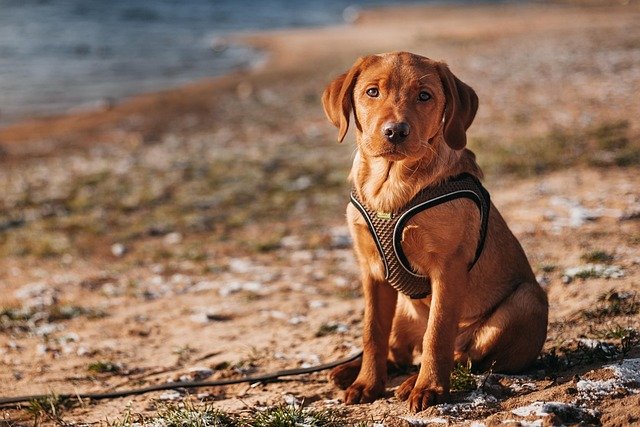
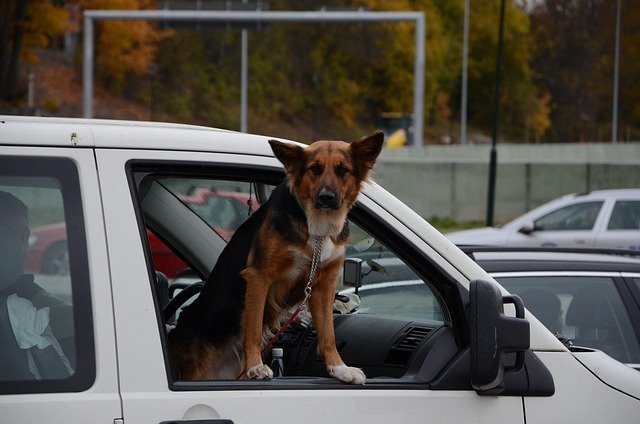
Only 17% of dog owners restrain their pet in the car, according to an AAA/Kurgo survey — yet an unrestrained 80-pound dog in a 30 mph crash hits with roughly 2,400 pounds of force. A loose dog is also a distraction: about 1 in 3 owners admit their dog has distracted them while driving. A crash-tested harness fixes both problems at once. Here are the best dog car safety harnesses of 2026.
Why “crash-tested” matters
Crash testing isn’t a single legal standard for pet products the way it is for child car seats, so look for a harness that names the lab or standard behind its claim — the Center for Pet Safety (CPS), a facility using FMVSS (federal vehicle safety) protocols, or an equivalent independent test house. Anything short of that is a marketing claim, not a tested one.
| Dog weight | Crash speed | Approx. force unrestrained |
|---|---|---|
| 10 lb | 50 mph | ~500 lbs |
| 80 lb | 30 mph | ~2,400 lbs |
Source: AAA / Kurgo Pet Traffic Safety Survey.
What to look for in a car harness
- Independent certification. Look for a named test body (CPS, an FMVSS-based lab, or similar) rather than just the word “crash-tested.”
- Weight range and fit. Every certified harness is only tested within a stated weight range — check it matches your dog.
- Attachment style. Most connect to the existing seat belt via a short tether; a few use their own strap system across the seat.
- Everyday usability. The best picks double as a comfortable walking harness, so your dog doesn’t need two.
Our top picks
Sleepypod Clickit Sport Plus — best overall
Sleepypod’s harness is certified by the Center for Pet Safety against U.S., EU, and Canadian child-seat-adjacent standards, and it covers a wide 18–90 lb range across four sizes. It’s padded enough for comfort on long trips and doubles as a walking harness, so it earns its keep outside the car too.
Kurgo Tru-Fit Enhanced Strength — best value
Tested at a university facility to the FMVSS No. 213a protocol, the Tru-Fit covers sizes from X-small to X-large with five adjustment points and both front and back leash attachments. It clips into your existing seat belt, making it one of the easiest and most affordable certified options to get started with.
EzyDog Drive Safety — best for active and large dogs
Tested at an Australian automotive safety engineering facility, the Drive Safety uses a memory foam chest panel for comfort on big, muscular dogs that other harnesses fit awkwardly. It comes in small through large sizes and suits dogs that also need a sturdy, supportive harness for hiking and daily walks.
Ruffwear Load Up — best multi-use harness
Tested at an NHTSA-affiliated facility, the Load Up has all-metal hardware, a wide belly panel for even pressure distribution, and four adjustment points across a size range from XX-small to X-large. Ruffwear harnesses are already popular for hiking and lifting, so this is a strong pick if you want one harness that does everything.
Using a harness safely
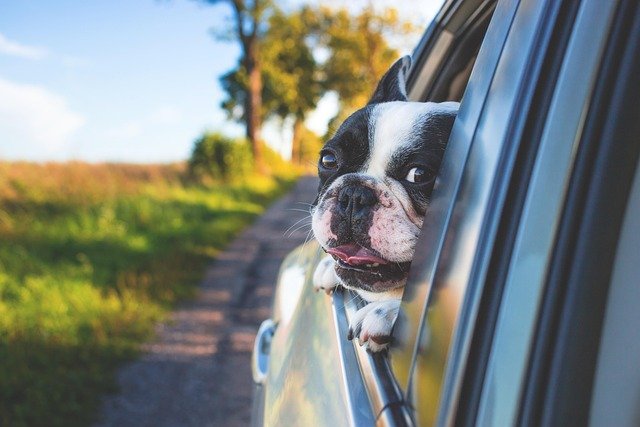
A certified harness is only as good as how it’s installed: always route it through the seat belt or the car’s own anchor points (never just loop a leash around a headrest), keep the tether short enough that your dog can’t reach the front seat or the footwell, and skip the classic head-out-the-window ride — debris and sudden stops make it riskier than it looks. A harness in the back seat, away from active airbags, is the safest setup for most dogs. (Want your dog’s activity data on the same trip? Check our guide to the best dog activity trackers.)
A Few More Questions
Is a regular walking harness safe enough for the car?
Not necessarily. Everyday harnesses aren’t built or tested to handle sudden deceleration forces, and the strap can fail or injure your dog on impact. A harness independently tested for car use is a different product, even if it looks similar.
Where’s the safest place for my dog to ride?
The back seat, secured to a seat belt or anchor point, away from active airbags — the same logic used for children.
Can I use a crate instead of a harness?
Yes — a crash-tested, properly secured hard-sided crate is a solid alternative, especially for dogs that find harnesses stressful. The key word is “secured”: an unstrapped crate can still become a projectile.
How tight should the harness be?
Snug enough that you can fit two fingers between the strap and your dog’s body, with the tether short enough to prevent your dog from climbing over seats.
The Bottom Line
The Sleepypod Clickit Sport Plus is the best all-around certified harness for 2026, the Kurgo Tru-Fit is the affordable way to get started, the EzyDog Drive Safety suits big, active dogs, and the Ruffwear Load Up is the pick if you want one harness for the car, the trail, and everyday walks. Whichever you choose, an independently tested harness beats an unrestrained ride every time.
References
- AAA / Kurgo — Pet Traffic Safety Survey
- Dogster — Best Crash-Tested Dog Harnesses for the Car 2026
- Sleepypod, Kurgo, EzyDog, Ruffwear — official product specs and certifications (2026)