
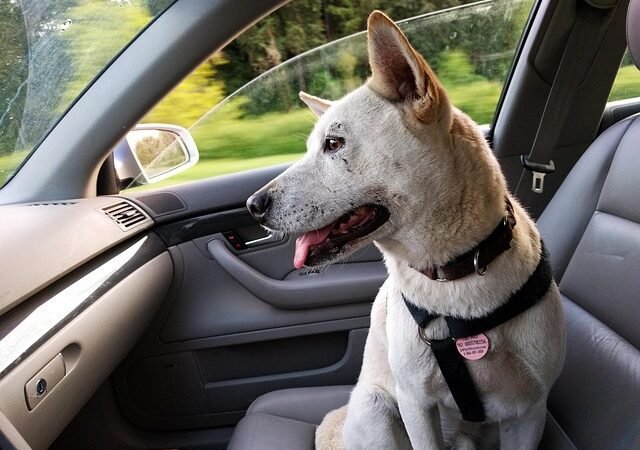
An unsecured dog in a moving car isn’t just at risk in a crash — a hard stop at city speed is enough to turn a 30-pound dog into a projectile. A booster seat solves two problems at once: it keeps a small or medium dog safely restrained, and it gives them the window view that stops the whining and pacing that makes car rides stressful for everyone.
Why Securing Your Dog in the Car Actually Matters
🔑 Takeaway: An unrestrained dog in a crash isn’t just at risk themselves — they can become a serious hazard to passengers, and even minor sudden braking can cause injury.
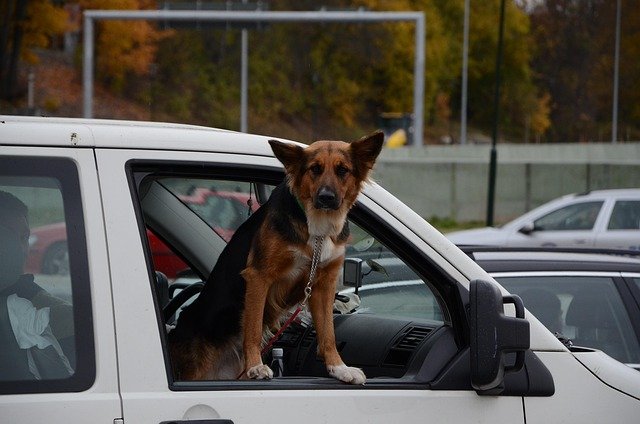
It’s easy to underestimate how much force is involved even in routine driving. A dog riding loose in the back seat during a sudden stop or minor collision can be thrown forward with enough force to injure themselves or anyone in the front seat. A properly secured booster seat — with a harness attachment rather than a collar — keeps your dog contained without putting pressure on their neck the way a collar-only tether would.
What to Look For in a Booster Seat
🔑 Takeaway: The seat itself is only half the safety equation — how it’s attached to your car and your dog matters just as much as the seat’s construction.
- Harness attachment, not collar — a booster seat should connect to a harness clip, never a collar, to avoid neck injury during sudden stops.
- A seatbelt loop or strap to anchor the seat itself to the car’s seatbelt system, so the whole unit doesn’t slide or tip.
- Back-seat placement only — never in the front, where airbag deployment can seriously injure a small dog.
- Correct sizing for your dog — a seat that’s too small won’t contain them properly, and one that’s too large can let them shift around enough to become a distraction while driving.
- Raised sides and a secure base so your dog can’t easily climb or jump out mid-drive.
Booster Seats Worth Considering
These cover a range of sizes and price points, all designed for small-to-medium dogs riding in the back seat:
| Product | Dimensions | Materials | Best For |
|---|---|---|---|
| K&H Bucket Booster | 14.5″L x 22″W x 15.5″H | Polyurethane foam | Best overall, small dogs |
| PetSafe Happy Ride | 14″L x 12″W x 8″H | Polyester/microsuede | Best value, toy breeds |
| Frisco Travel Bucket | 16.5″L x 14.5″W x 14″H | Padded fabric | Puppies and small breeds |
| PETSFIT Dog Booster | 23.6″L x 20.1″W x 11″H | Durable fabric | Dogs up to 45 lbs |
| Kurgo Heather Booster | 16″L x 13″W x 9″H | Water-resistant fabric | Dogs up to 30 lbs |
| Snoozer Luxury Lookout | 30″L x 19″W x 17″H | Polyester/microsuede | Premium pick, larger small-to-medium dogs |
None of these are crash-tested to the same standard as a car safety harness (covered in our guide to crash-tested dog harnesses) — booster seats prioritize comfort, visibility, and containment for calmer, everyday rides, while a crash-tested harness is the better choice if collision protection is your top priority.
Our take: if you just want a small or medium dog to ride more safely and calmly on everyday trips, a booster seat is the easy call — we’d start most owners with the K&H Bucket Booster and size up to the Snoozer Luxury Lookout only if their dog needs more room. If your driving is mostly highway miles, though, we’d put the money toward a crash-tested harness instead.
Booster Seats vs. Crash-Tested Harnesses
| Booster Seat | Crash-Tested Harness | |
|---|---|---|
| Primary benefit | Window visibility, comfort, containment | Verified crash protection |
| Best for | Calm, routine rides in small/medium dogs | Any dog, especially larger breeds or highway driving |
| Attachment | Harness clip + seatbelt-anchored base | Harness clip directly to seatbelt buckle |
| Space needed | More — takes up back seat real estate | Less — dog sits directly on the seat |
Getting Your Dog Comfortable With a Booster Seat
Introduce a new booster seat gradually rather than expecting instant comfort on the first drive:
- Let your dog explore the seat parked in your driveway, rewarding calm behavior with treats.
- Start with short trips around the block before attempting longer drives.
- Pair the seat with something positive — a favorite blanket or a chew toy that only comes out during car rides.
- If your dog resists the harness portion specifically, practice wearing the harness at home first, separate from the car.
Cleaning and Maintenance
Most booster seats see regular exposure to shedding fur, drool, and the occasional muddy paw, so a few maintenance habits keep them functional and pleasant long-term:
- Check the manufacturer’s washing instructions — many covers are machine-washable or removable, but the padded base underneath usually isn’t and should be spot-cleaned instead.
- Inspect the harness attachment point and seatbelt strap regularly for fraying or wear, especially if your dog is a puller or particularly active in the car — a worn strap is a safety issue, not just a cosmetic one.
- Vacuum the base and seams periodically, since fur and debris tend to accumulate in stitched edges and can attract odor over time.
- Air out water-resistant fabrics fully after cleaning before reinstalling, to avoid trapped moisture and mildew.
A Few More Questions
Is a booster seat as safe as a crash-tested harness?
Not necessarily — most booster seats aren’t independently crash-tested the way some harnesses are. They’re excellent for comfort, visibility, and preventing a dog from roaming the car, but if crash protection specifically is your top priority, a crash-tested harness is the better-documented choice.
Can I put a booster seat in the front passenger seat?
No — booster seats should always go in the back seat. Airbag deployment in the front can seriously injure a small dog, even one who’s otherwise secured.
My dog is too big for a booster seat. What are my options?
For larger dogs, a crash-tested car harness that clips directly to the seatbelt, or a secured travel crate anchored in the cargo area, are generally better fits than trying to size up a booster seat designed for smaller breeds.
How do I stop my dog from trying to climb out of the booster seat while driving?
Make sure the harness attachment is snug (not loose enough to allow climbing) and the seat is correctly sized — a seat that’s too large gives a dog more room to maneuver out of. Gradual desensitization with short trips also helps reduce the restlessness that drives climbing attempts.
The Takeaway
A booster seat is a genuine safety upgrade over letting a small or medium dog ride loose, and the window view it provides often solves car anxiety as a side benefit. Look for a harness attachment (never collar), a seatbelt-anchored base, and correct sizing, and always place it in the back seat. If your dog is larger or you want documented crash protection specifically, pair this guide with our review of crash-tested dog car safety harnesses.
This article is for general informational purposes. No car restraint eliminates all risk — always drive attentively and never leave a dog unattended in a parked car.