

If you’re wondering whether your dog has crossed into their senior years, you’re not alone; most owners miss the signs until a stiff walk or a foggy stare in familiar rooms makes it obvious. A good senior dog care checklist takes the guesswork out of it, turning “is my dog getting old?” into a clear plan you can actually follow.
This guide pulls together what veterinary sources like the AKC, VCA Animal Hospitals, and PetMD actually recommend for aging dogs, from how often to schedule checkups to the everyday adjustments that keep senior dogs comfortable, mobile, and mentally sharp for as long as possible.
What Age Is “Senior” for a Dog?
There’s no single birthday that makes a dog a senior. Veterinarians generally define it as the point when a dog enters the final quarter of their expected lifespan, which means size and breed matter more than age in years alone. A Great Dane and a Chihuahua don’t age on the same clock: bigger dogs have shorter lifespans and hit their senior years much sooner.
As Dr. Jerry Klein, Chief Veterinarian for the AKC, puts it, a 7-year-old Papillon and a 7-year-old Irish Wolfhound are not the same dog physiologically; breed and size drive the pace of aging far more than the calendar does.
| Size | Senior Age |
|---|---|
| Toy & Small (under 20 lbs) | 10–12 years |
| Medium (21–50 lbs) | 8–10 years |
| Large (51–90 lbs) | 7–8 years |
| Giant (over 90 lbs) | 5–6 years |
🧠 Good to know: Senior status depends on size, not just age, giant breeds can be seniors by 5–6 years old, while small breeds may not get there until 10–12.
How Often Senior Dogs Need Vet Checkups
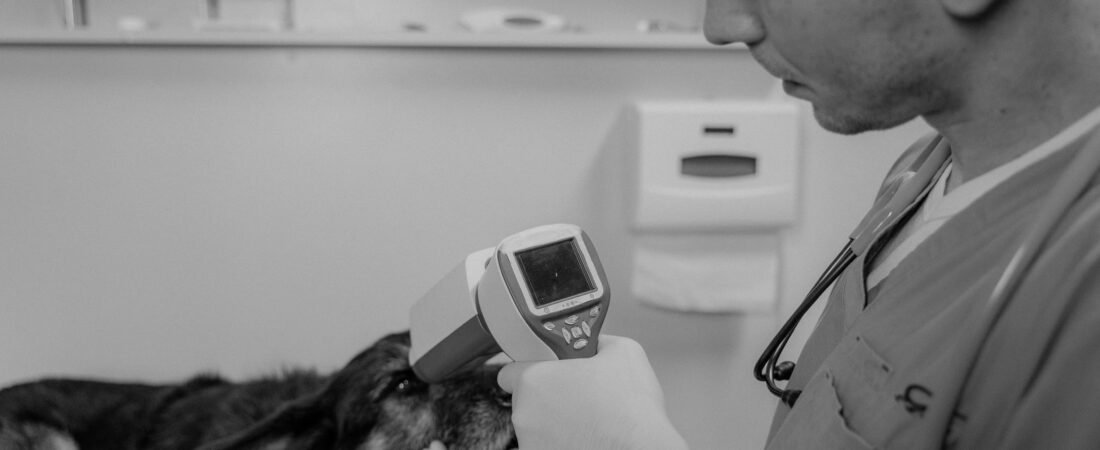
Once your dog enters their senior years, annual checkups aren’t enough. The AKC and VCA both recommend twice-yearly wellness exams for senior dogs, spaced roughly six months apart, so problems get caught while they’re still manageable rather than after they’ve progressed.
A thorough senior wellness visit typically goes well beyond a quick look-and-listen. Expect your vet to check:
- Weight and body condition score
- Joint mobility and pain response
- Teeth and gums for periodontal disease
- Vision and hearing
- Blood work (complete blood count and chemistry panel)
- Urinalysis to screen for kidney or urinary issues
- Cognitive function and behavior changes
Blood and urine screening matter more here than they did in your dog’s younger years: conditions like kidney disease, diabetes, and hypothyroidism often develop with few outward symptoms until they’re fairly advanced.
🧠 Good to know: Senior dogs need vet visits twice a year, not once, with blood work and urinalysis included to catch silent conditions early.

Photo by a Pexels contributor
Arthritis and Joint Pain
Osteoarthritis is one of the most common, and most under-recognized, conditions in older dogs. Because it develops gradually, many owners write off the signs as “just getting old” rather than a treatable source of pain. Watch for:
- Hesitating before jumping on furniture or into the car
- Slower to rise after lying down, especially in the morning
- Stiffness that improves as they warm up
- Reduced interest in walks or play
- Licking or chewing at joints
Reduced activity from joint pain also causes muscle loss, which further limits mobility and creates a downward spiral. Ramps for furniture and vehicles, orthopedic bedding, and non-slip flooring can all reduce daily strain, and your vet can discuss pain management options ranging from joint supplements to prescription medication.
🧠 Good to know: Arthritis is common but treatable, slower rising and reluctance to jump are early signs worth mentioning at your dog’s next checkup, not symptoms to ignore.
Dental Disease
Dental disease is easy to overlook because dogs rarely show obvious signs of mouth pain. Yet by middle age, most dogs already have some degree of periodontal disease, and it tends to worsen with time. Left untreated, chronic oral infection doesn’t stay confined to the mouth: bacteria can enter the bloodstream and contribute to strain on the heart, kidneys, and liver.
Regular tooth brushing, dental chews, and professional cleanings under anesthesia (when your vet determines your dog is a safe candidate) remain the most effective ways to manage it. Bad breath, drooling, reluctance to chew, or pawing at the mouth are all reasons to get a dental exam sooner rather than later.
🧠 Good to know: Dental disease can affect organ health, not just the mouth, routine brushing and professional cleanings are worth prioritizing, not skipping.
Cognitive Decline (Canine Dementia)
Canine cognitive dysfunction (CCD) is the dog equivalent of dementia, and it’s more common than most owners realize. Veterinary behaviorists often use the acronym DISHAA to describe the pattern of symptoms: Disorientation, Interaction changes, Sleep-wake cycle disruption, House soiling, Activity level changes, and Anxiety.
- Getting “stuck” or lost in familiar rooms
- Staring blankly at walls or into space
- Pacing or restlessness at night, sleeping more during the day
- Accidents in a previously house-trained dog
- Less interest in people, play, or greetings
- New anxiety or fear of things that never bothered them before
Veterinary sources recommend annual cognitive screening starting around age 7. While there’s no cure, environmental changes, mental enrichment (puzzle toys, short training sessions), antioxidant-rich diets, and in some cases prescription medication can meaningfully slow progression and improve quality of life.
🧠 Good to know: Cognitive screening should start around age 7, early management can slow the progression of canine dementia significantly.

Photo by a Pexels contributor
A Monthly DISHAA Log for Catching Decline Early
Cognitive decline is gradual, which is exactly why it’s easy to miss day to day. Veterinary behaviorists use the DISHAA framework, Disorientation, Interactions, Sleep-wake cycle, House soiling/learning, Activity, Anxiety, to screen for canine cognitive dysfunction. A simplified version of it works fine as a monthly home check.
| Month | D | I | S | H | A (Activity) | A (Anxiety) |
|---|---|---|---|---|---|---|
| 1 | ||||||
| 2 | ||||||
| 3 |
Score each category 0 (no change) to 2 (clearly changed). A rising total across a few months, not any single “off” day, is what’s actually worth bringing to your vet, since isolated bad days happen at any age.
Weight, Diet, and Exercise Adjustments
Senior dogs can swing either direction on the scale: some gain weight as metabolism slows and activity drops, while others lose weight from muscle wasting or an underlying illness. Either change is worth a vet visit before you adjust food on your own, since unexplained weight shifts can signal thyroid problems, kidney disease, or diabetes.
There’s no single “senior formula” that fits every dog: nutritional needs depend heavily on individual health status. That said, a few adjustments tend to help broadly:
- Feed a high-quality, easily digestible diet appropriate to your dog’s current weight and health conditions
- Raise food and water bowls to ease strain on the neck and joints
- Ask your vet about prescription diets for heart, kidney, or cognitive support if relevant
- Weigh your dog every couple of months on the same scale to track trends
- Keep exercise going, but shift toward shorter, gentler walks rather than skipping activity altogether
Vision and hearing changes are common too: a bluish haze in the eyes can affect depth perception and night vision, and hearing naturally dulls with age. Keeping furniture in consistent spots, using night lights, and switching to hand signals or touch cues can help a dog with sensory decline stay confident and secure at home.
🧠 Good to know: Don’t guess with a senior dog’s diet or weight changes, a vet visit first rules out underlying illness before you adjust food or exercise.

Photo by a Pexels contributor
Final Thoughts
Caring for a senior dog isn’t about a single dramatic change; it’s a series of small, consistent habits: twice-yearly checkups, watching for early signs of arthritis and cognitive decline, keeping up with dental care, and adjusting diet and exercise based on what your vet actually finds rather than guesswork.
Dogs age at their own pace, shaped heavily by size and breed, so the best approach is staying attentive rather than waiting for an obvious problem to show up.
This article is for general educational purposes only and is not a substitute for professional veterinary advice. Always consult a licensed veterinarian about your senior dog’s specific health needs.
Our take: Twice-yearly vet checkups instead of annual catch more in senior dogs simply because things change faster at that age; it’s a small scheduling change that makes a real difference. Mobility and cognitive changes are easy to write off as “just getting old,” but several are actually manageable with the right care.
Common Questions
At what age should I start treating my dog like a senior?
It depends on size: toy and small breeds often aren’t seniors until 10–12 years old, while giant breeds can reach senior status by 5–6 years. Ask your vet where your dog’s breed and size fall so you can start senior-focused checkups at the right time rather than a generic age.
How often should a senior dog see the vet?
Twice a year is the standard recommendation from the AKC and VCA Animal Hospitals, with blood work and urinalysis included to catch conditions like kidney disease or diabetes before symptoms appear.
Is it normal for an old dog to sleep all day and pace at night?
A disrupted sleep-wake cycle is one of the recognized signs of canine cognitive dysfunction, not something to dismiss as ordinary aging. If you’re seeing this alongside disorientation or house-training accidents, it’s worth bringing up at your next vet visit.
Should I change my senior dog’s food even if they seem healthy?
Not automatically. There’s no universal senior diet, and unnecessary changes can mask or complicate real issues. A vet checkup, including weight and blood work, should guide any dietary change rather than switching foods based on age alone.
Further Reading
- AKC: Is Your Dog a Senior Yet? Here’s How to Tell
- AKC: How Often Should I Take My Dog to the Vet? A Puppy to Senior Dog Vet Timeline
- VCA Animal Hospitals: Senior Dog Care: Special Considerations for Dogs
- VCA Animal Hospitals: Behavior Counseling: Senior Pet Cognitive Dysfunction
- PetMD: Senior Dog Care: How to Manage Common Health Issues