

This article covers the professional, anesthesia-based dental cleaning your veterinarian performs in a clinic, not day-to-day brushing at home. If you’re looking for tips on maintaining your dog’s teeth between visits, see our step-by-step guide to dog dental care at home.
If your vet has recommended dog teeth cleaning under anesthesia, you’re probably wondering what it costs, how risky it is, and whether it’s really necessary. It’s a fair question, but according to the American Veterinary Medical Association (AVMA), most dogs show some early evidence of periodontal disease by age three, and the American Veterinary Dental College does not recommend dental cleanings performed without anesthesia, because they can’t reach the disease hiding below the gumline.
This guide walks through why anesthesia is used, what actually happens during the procedure, the real safety considerations, and honest cost expectations, sourced from veterinary organizations rather than the anesthesia horror stories that tend to dominate when we’ve seen this topic come up online.
Why Vets Use Anesthesia for a Dental Cleaning
A dog can’t hold still for an X-ray or a subgingival scale, and most dental disease lives where an awake exam can’t reach.
It’s tempting to assume a “quick scrape” of visible tartar is basically the same procedure, minus the sedation. It isn’t. According to AAHA, more than 50% of a tooth’s structure sits below the gumline, which is exactly where periodontal disease does its damage, and that tissue is inaccessible to anyone working on an awake, wriggling dog.
The AVMA notes that anesthesia keeps a pet from moving, escaping, or biting during a procedure that requires steady hands near sharp instruments and a wide-open mouth.
Under anesthesia, a veterinary team can take full-mouth dental X-rays, probe around each tooth to measure gum pockets, and clean below the gumline where plaque and tartar actually cause bone and ligament loss. None of that is possible on a conscious dog, no matter how cooperative.
This is also why the American Veterinary Dental College does not endorse anesthesia-free (“awake”) dental cleanings. AVMA and AAHA both note that scraping visible tartar off the crown of the tooth without addressing what’s happening under the gumline can create a false sense of security while the actual disease keeps progressing, and it also carries its own injury risk to the pet and the handler.
What Actually Happens During the Procedure
It’s a full clinical workup, not just a scrub-and-polish: exam, X-rays, cleaning, and treatment all in one visit.
A professional dental cleaning is really several steps bundled into one anesthetic event:
- Pre-anesthetic screening: bloodwork (and sometimes urinalysis) to check organ function before your dog goes under.
- IV catheter placement and induction: gives the team fast access for anesthesia and emergency medications if needed.
- Endotracheal intubation: protects the airway and, per PetMD, helps keep water and debris out of the lungs during cleaning.
- Full-mouth dental X-rays: reveal problems below the gumline, abscesses, resorption, bone loss, that are invisible on a visual exam.
- Periodontal probing: measures the depth of the gum pocket around every tooth to check for disease.
- Scaling: removes plaque and tartar both above and below the gumline.
- Polishing: smooths tiny scratches left by scaling so plaque doesn’t stick to them as easily.
- Extractions, if needed: damaged, fractured, or severely diseased teeth are typically removed in the same anesthetic event, often followed by pain medication and sometimes antibiotics.
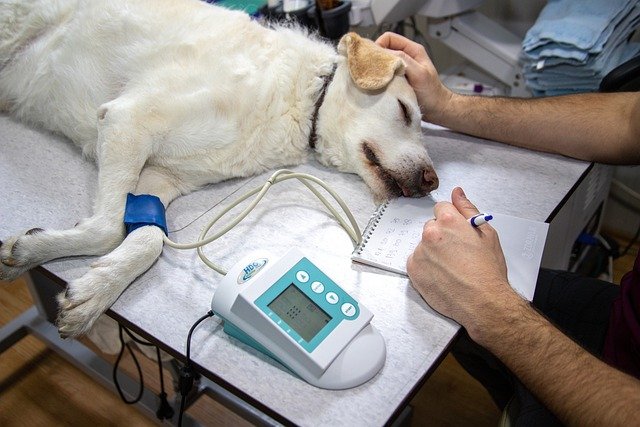
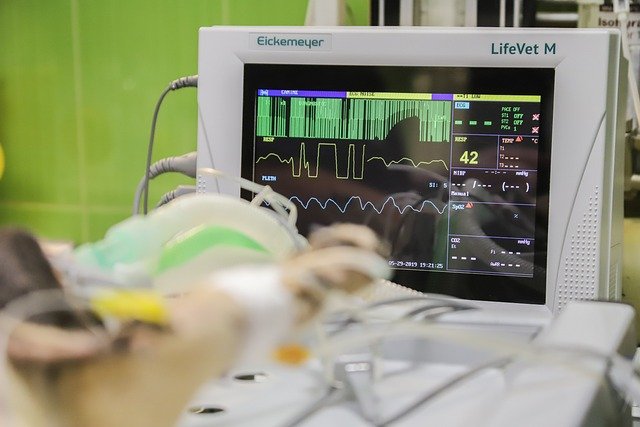
Throughout, a trained team monitors heart rate, oxygen saturation, blood pressure, and other vitals, with supervised recovery afterward before your dog goes home.
Anesthesia Safety: What Vets Actually Do to Manage the Risk
Anesthesia is never zero-risk, but modern protocols and pre-screening are designed specifically to catch problems before they happen.
It’s reasonable to worry about putting an animal under general anesthesia, especially an older dog or one with a known health condition. Veterinary organizations don’t pretend the risk is zero: the AVMA states plainly that “anesthesia will always have risks,” but adds that it’s safer now than ever and that the risk is generally very low relative to the benefit. AAHA outlines the layers of precaution clinics use to manage that risk:
- Pre-anesthetic blood and urine testing to screen kidney and liver function
- Cardiovascular assessment (chest X-rays or heart ultrasound) for at-risk patients, including many seniors
- Individualized anesthesia protocols based on age, breed, and health status
- Continuous monitoring of vitals throughout the procedure
- A dedicated recovery period before discharge
Dr. Emily Singler, writing for AAHA, puts it this way: the small risk posed by general anesthesia “is greatly outweighed by the benefits of maintaining or improving your pet’s dental health,” noting that untreated dental disease has been linked to problems affecting the heart and kidneys over time.
That said, every dog is an individual: a senior dog, a brachycephalic breed, or a dog with pre-existing heart or kidney disease may carry higher anesthetic risk, and that risk should be weighed with your own vet, not assumed away.
Weighing it out, anesthesia risk is real but generally low and heavily mitigated by pre-screening, while untreated periodontal disease is a slow, near-certain problem for most dogs, so for a healthy or well-managed dog, we’d say the calculus usually favors treating now rather than waiting.
The exception is a dog with significant, unmanaged heart, kidney, or other systemic disease, where it’s worth a frank conversation with your vet (and possibly a referral to a specialist) about timing and protocol before booking.
What Dog Teeth Cleaning Under Anesthesia Actually Costs
Published estimates cluster in the low-to-mid hundreds for routine cleanings, but extractions and severity can push the total much higher.
Cost is the question most owners actually want answered, and it’s also the hardest to pin down precisely, because prices vary by clinic, region, and what your dog’s mouth actually needs once the vet looks inside. With that caveat, here’s what published sources report:
- CareCredit cites a national average of roughly $388 for a routine veterinary dental cleaning, with a typical range of about $307 to $702, and notes state averages ranging from around $310 (Mississippi) up to about $696 (Hawaii).
- PetMD reports routine cleanings performed by general practice veterinarians typically running $350–$500, with cleanings by board-certified veterinary dental specialists running $1,500 or more, largely reflecting more advanced equipment and case complexity.
- Extractions are commonly billed separately and can add substantially to the total. PetMD cites a range of roughly $500–$2,500 per tooth depending on complexity, plus bloodwork (roughly $75–$200), pain medication, and antibiotics if prescribed.
Those numbers are a starting point, not a quote. Cost varies significantly by clinic, region, and whether extractions are needed: always ask your vet’s office for a written estimate before you book, and ask specifically what it does and doesn’t include (bloodwork, X-rays, IV fluids, monitoring, pain medication, and a per-tooth extraction estimate if disease is suspected).
A Quote-Shopping and Prep Checklist
Use this table when you call around for estimates, so you’re comparing clinics on the same terms.
Because “the cost of a dental cleaning” can mean very different things depending on what’s bundled in, it helps to ask every clinic the same set of questions and write the answers down side by side. This is a blank tool for your own use: fill it in as you call or visit clinics in your area.
| Clinic Name | Pre-Anesthetic Bloodwork Included? (Y/N) | Full-Mouth X-Rays Included? (Y/N) | Quoted Base Price | Estimated Extraction Cost (if any) | Notes |
|---|---|---|---|---|---|
Questions Worth Asking Before You Book
A few direct questions up front can save you a surprise bill and give you a clearer picture of the actual anesthetic risk for your dog.
- What pre-anesthetic screening is standard at this clinic, and is it included in the quoted price?
- Are full-mouth dental X-rays included, or billed separately?
- What monitoring equipment and staffing are used during the procedure (this varies more between clinics than owners often expect)?
- What happens if the vet finds a problem tooth once your dog is already under, do they call you first, or is there a pre-authorized spending limit?
- Given my dog’s age and health history, is there anything specific to their case that changes the anesthesia plan?
Frequently Asked Questions
Is anesthesia-free dog teeth cleaning a safe alternative?
Veterinary dental organizations, including the American Veterinary Dental College, do not recommend anesthesia-free cleanings. They can only address tartar visible above the gumline and can’t assess or treat the periodontal disease that typically develops below it, and restraining an awake, uncomfortable dog for the procedure carries its own injury risk.
Speak with your veterinarian about whether it’s ever appropriate for your dog’s specific situation.
How often does a dog need a professional dental cleaning?
This depends heavily on the individual dog: breed, age, diet, and home dental care all play a role. Your veterinarian is best positioned to recommend a schedule based on an oral exam, rather than a fixed interval that applies to every dog.
Is my senior dog too old for anesthesia?
Age alone isn’t typically the disqualifying factor; overall health status is. Many senior dogs safely undergo anesthesia for dental care with appropriate pre-anesthetic screening and an individualized protocol. This is a conversation to have directly with your vet, who can assess your dog’s specific health picture.
What happens if the vet finds a tooth that needs extraction during the cleaning?
Extractions are commonly performed in the same anesthetic event to avoid putting the dog under twice, which is part of why final bills can exceed the initial quote. Ask your clinic in advance how they handle unexpected findings: many will call you for authorization above a certain dollar amount, while others build in a pre-approved range.
The Bottom Line
Professional dog teeth cleaning under anesthesia is a more involved procedure than its name suggests: a full oral exam, X-rays, subgingival cleaning, and treatment of any disease found, all bundled into one visit specifically because a dog can’t safely sit still for any of it while awake.
The anesthesia itself carries some risk, but veterinary sources describe that risk as low and well-managed through pre-screening and monitoring, especially compared to the near-certainty of periodontal disease left untreated. Cost is genuinely variable: expect a routine cleaning to fall somewhere in the low-to-mid hundreds, with extractions and specialist care pushing that higher, so a written, itemized estimate from your own vet is the only number worth planning around.
That’s the piece we’d stress most after putting this guide together: the range above is a starting point for the conversation, not a quote. If you haven’t already, it’s also worth reading our guides on dog dental care at home for keeping plaque down between professional cleanings, and on what really determines the cost to spay or neuter a dog, since a lot of the same regional and clinic-based pricing factors apply there too.
This article is educational content, not medical advice. Anesthesia risk assessment and treatment decisions for your dog should always be made together with your own veterinarian, based on your dog’s individual health history and exam findings.