

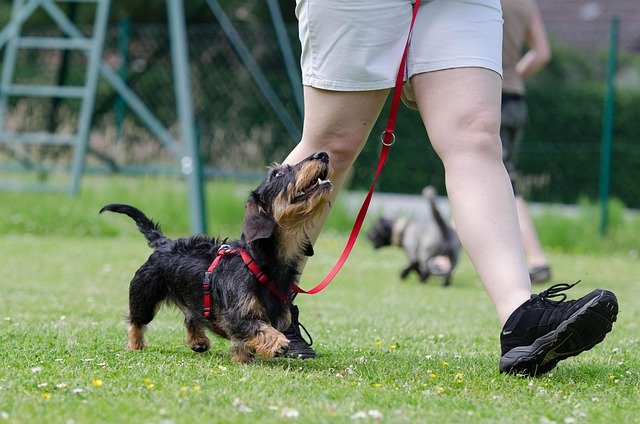
If you’ve ever fumbled to reward your dog a full three seconds after they sat, only to watch them stand back up before the treat arrives, you already understand the core problem clicker training solves. A click is instant. It marks the exact moment your dog does something right, so there’s no confusion about which action actually earned the reward — even if the treat itself takes a second or two longer to arrive.
Clicker training isn’t a gimmick borrowed from TikTok trainers — the technique traces back to marine mammal trainers who needed a way to mark correct behavior underwater, decades before it became a mainstream dog-training tool. Below is exactly how to start, why it works, and the common mistakes that trip up almost every beginner.
What Clicker Training Actually Is (and Why It Works)
📌 Quick tip: The clicker is a “bridge” signal — a sound that tells your dog, with zero ambiguity, exactly which behavior just earned a reward.
Clicker training is a form of positive reinforcement built around a marker signal — usually a small mechanical clicker, though a verbal word works too (more on that below). The click itself doesn’t reward anything; it’s a promise. Every click means a treat is coming, and because the sound is instant and consistent, your dog learns to connect the click with whatever they were doing the split second before it happened.
This matters because timing is everything in dog training. Reward a sit two seconds too late, and you might accidentally reinforce your dog standing up instead. A clicker collapses that timing gap: you click the instant the correct behavior happens, then deliver the treat a beat later without losing any precision.
Step 1: Charge the Clicker Before You Train Anything
📌 Quick tip: Before a clicker means anything to your dog, you have to build the association — click, then treat, roughly 10–15 times in a row.
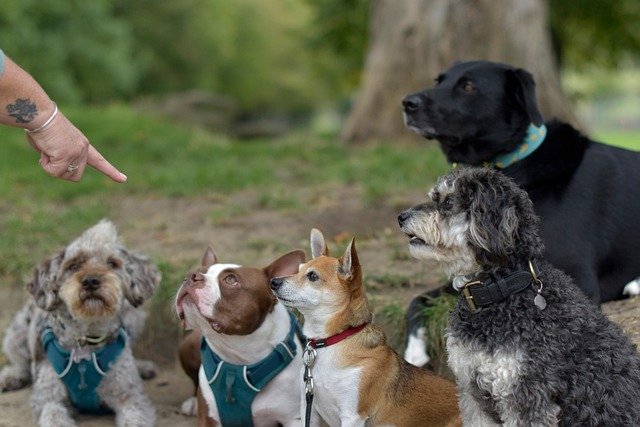
Your dog has no idea what a clicker means the first time they hear it, so the first session isn’t about training a behavior at all — it’s about “charging” the clicker so the sound itself becomes meaningful.
- In a quiet room with no distractions, click once, then immediately give a small treat.
- Repeat 10 to 15 times, varying the pause between clicks so your dog doesn’t start anticipating a rhythm.
- You’ll know it’s working when your dog’s head snaps toward you or toward your treat hand the instant they hear the click — that’s the sign the sound is now meaningful.
- If your dog seems startled by the sound, muffle the clicker in your pocket or fist for the first few sessions, or switch to a verbal marker instead.
This charging step usually takes one short 3–5 minute session. Don’t skip ahead to actual training behaviors until you see that head-snap response.
Step 2: Shape Behavior — From “Sit” to More Complex Skills
📌 Quick tip: Click for the action the instant it happens; deliver the treat afterward — and raise the bar gradually rather than expecting the finished behavior right away.
Once the clicker is charged, start with something your dog already half-knows, like sit. Ask for the sit, click the exact moment their rear touches the floor, then treat. This gives you an easy win and lets you practice your own timing before moving to harder behaviors.
For a brand-new behavior, use shaping — rewarding small steps toward the final goal instead of waiting for the whole thing to happen at once. Teaching a dog to touch a target with their nose, for example, usually goes through stages: click any glance toward the target, then only a step toward it, then only actual contact. Each stage should feel almost too easy before you raise the criteria — if your dog is failing more than they’re succeeding, the step is too big.
A useful rule trainers repeat often: click for the action, reward for the position. The click ends the behavior in your dog’s mind, so it should land on the instant of the correct movement — not after your dog has already moved on to something else.
Common Mistakes Beginners Make
📌 Quick tip: Almost every clicker-training frustration traces back to inconsistent follow-through, not a “dumb” dog or a broken method.
A handful of habits derail clicker training more than anything else:
- Clicking without treating. Every single click needs a reward behind it, or the clicker stops meaning anything within a few repetitions.
- Clicking more than once per behavior. One click marks one correct moment — clicking repeatedly (or “cheerleading” with the clicker) muddies the signal.
- Using the clicker to get attention or call your dog. The clicker is a marker, not a recall cue — mixing its meaning slows down every future session.
- Punishing mistakes. If your dog gets it wrong, simply don’t click — no scolding, no “no,” no re-doing the cue in a stern voice. Silence is the correction.
- Training sessions that run too long. Dogs (and owners) lose precision after 5–10 minutes. Short, frequent sessions beat one long one.
No Physical Clicker? A Verbal Marker Works Almost as Well
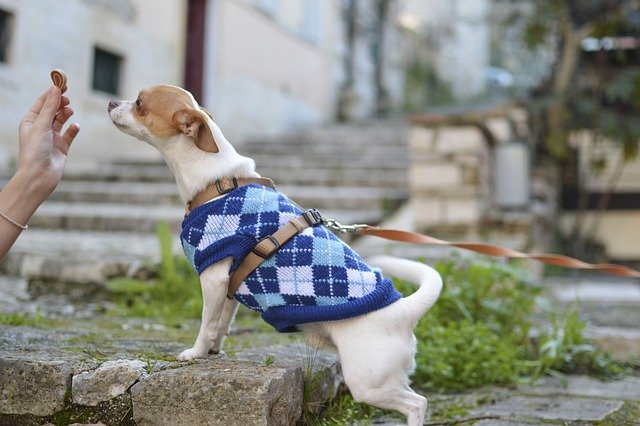
A mechanical clicker isn’t required — a short, consistent verbal marker like “yes!” said the same way every time can serve the same bridging function. It’s slightly less precise than a mechanical click (voices vary more than a plastic device), but it has one big advantage: your hands and voice are always available, so you’re never caught without a marker.
| Feature | Physical Clicker | Verbal Marker (“Yes!”) |
|---|---|---|
| Timing precision | Highest — identical sound every time | Good, if said the same way consistently |
| Always available | No — must be carried | Yes — no equipment needed |
| Best for | New skills, precision shaping, noise-tolerant dogs | Everyday cues, noise-sensitive dogs, hands-full moments |
| Learning curve | Slight — new tool to carry and click | None — most owners already talk to their dogs |
Many trainers actually use both: a clicker for focused training sessions where precision matters most, and a verbal marker for everyday life — praising a calm greeting, a polite wait at the door, or good leash manners on a walk.
Frequently Asked Questions
How long does it take to charge a clicker?
Usually just one short session of 10–15 click-and-treat repetitions, often 3–5 minutes total. You’ll know it’s charged when your dog reacts to the click itself — perking up or looking for a treat — rather than ignoring it.
Can I clicker train an older dog who already knows basic commands?
Yes. Clicker training works at any age and is especially useful for refining behaviors an older dog already “sort of” knows, or for teaching brand-new tricks and impulse-control skills later in life.
Do I have to click and treat every single time, forever?
Early on, yes — consistency is what builds the association. Once a behavior is reliable, most trainers shift to an intermittent reward schedule (rewarding some repetitions, not all), which research on reinforcement shows actually makes the behavior more resistant to fading over time.
Is clicker training only useful for tricks, or can it help with behavior problems too?
It works for both. Clicker training is commonly used for basic obedience and tricks, but the same marker-and-reward mechanics apply to shaping calmer greetings, reducing reactivity, and building confidence in fearful dogs — anywhere you want to clearly mark and reinforce a specific, desirable moment.
Wrapping Up
Clicker training works because it removes guesswork — for both you and your dog. The click marks the exact instant a behavior is correct, which speeds up learning and keeps sessions frustration-free. Start by charging the clicker, use it to build on a behavior your dog already half-knows, and keep sessions short and upbeat. If a physical clicker isn’t practical, a consistent verbal marker gets you most of the same benefit.
Once your dog is responding reliably to a clicker, it pairs naturally with structured obedience work like teaching sit, stay, and come, and the same marker-and-reward timing can help with everyday issues like curbing puppy biting.
This article is for general educational purposes. If your dog has a history of fear, aggression, or a diagnosed behavioral condition, work with a certified professional trainer or veterinary behaviorist for an approach tailored to your dog.