

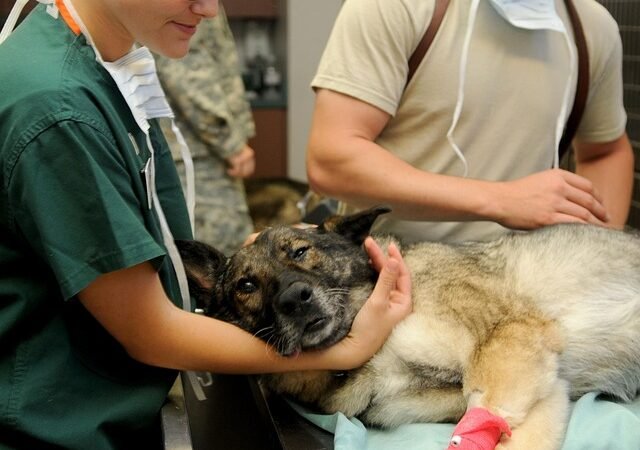
If your dog is dragging their rear across the carpet, you’re probably wondering two things: what’s going on back there, and what will it cost to fix? In many cases the answer is full anal glands, and a routine expression usually costs somewhere around $25 to $50 at a vet’s office. Complications are where the bill climbs.
Below is a plain breakdown of what anal glands are, the signs of a problem, and realistic price ranges for each level of care, from a quick groomer add-on to surgery.
What Anal Glands Are and Why They Cause Trouble
Bottom line: two small scent sacs normally empty on their own; when they don’t, pressure and irritation follow.
VCA Animal Hospitals describes the anal sacs as two small pouches sitting on either side of the anus, at roughly the 4 o’clock and 8 o’clock positions. They hold a strong-smelling fluid that dogs use for scent marking, and a normal bowel movement usually squeezes a little out.
Problems start when the fluid thickens or the ducts don’t empty well. The Merck Veterinary Manual separates anal sac disease into a few stages:
| Stage | What’s happening | What you may see |
|---|---|---|
| Impaction | Secretions become thick and pasty and can’t drain | Scooting, licking the rear |
| Sacculitis (infection) | The sac becomes inflamed or infected | More pain, discolored discharge |
| Abscess | Infection forms a pocket that may rupture | Swelling, a draining wound near the anus |
| Tumor (less common) | A mass in the sac, most often in older dogs | Often no pain; possible swelling, increased thirst |
That last row surprised me when I first read it. Merck notes that anal sac tumors are usually not painful, so a lump in that area on a senior dog is worth a vet visit even if your dog seems fine.
Which Dogs Get Anal Gland Problems Most
Bottom line: small breeds, overweight dogs, and dogs with allergies or soft stools top the list.
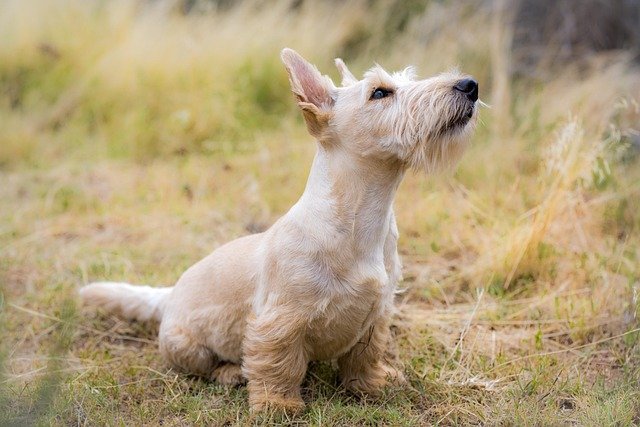
Small breeds are more prone to anal sac impaction than large and giant breeds.
According to Merck, small-breed dogs are highly predisposed, while large and giant breeds are affected less often. Cornell’s Riney Canine Health Center adds that Chihuahuas showed the highest incidence among small breeds in one study, German Shepherds may be overrepresented among larger dogs, and problems usually show up in dogs older than one year.
Cornell and VCA list overlapping risk factors:
- Allergies, including food allergy and atopic dermatitis. If your dog also itches, licks paws, or gets ear infections, our guide to food vs. environmental allergies may help connect the dots.
- Obesity, which can keep the sacs from emptying fully. See our body condition score guide.
- Chronic diarrhea or constipation, since normal firm stools help empty the sacs.
- Low-fiber diets and anatomy differences.
How Much Anal Gland Expression Costs
Bottom line: routine expression is cheap; infection, sedation, and surgery are where costs jump.
Prices vary by region and clinic, but cost guides such as Vety (updated July 2025) give a useful starting range. Treat these as ballpark figures and ask your clinic for an estimate.
| Type of care | Typical U.S. range | Notes |
|---|---|---|
| Groomer or pet store add-on | $7–$20 | Usually external expression only; no medical exam |
| Low-cost vet clinic | $15–$40 | Varies widely by area |
| General vet, expression only | $25–$50 | Often done internally, which empties the sacs more completely |
| Vet visit with full exam | $50–$100 | Includes the exam fee; recommended the first time |
| Infected or abscessed glands | $100–$800 | May include flushing, sedation, antibiotics, pain relief, a cone |
| Surgical removal (anal sacculectomy) | $1,000–$2,600 | Reserved for recurring or serious cases |
Looking at those numbers side by side, the jump from “routine” to “infected” is what stood out to me. Catching impaction early is by far the cheapest path.
Vet vs. groomer vs. DIY
A groomer can relieve a dog with mildly full glands, but a groomer can’t diagnose infection, prescribe medication, or check for a mass. For a first episode, or any time there’s swelling, blood, or pus, go to the vet.
Home expression is possible, but it’s easy to hurt your dog or do it incompletely. If you want to try, ask your vet to show you first. Many dogs never need routine expression at all, so it’s worth asking whether your dog needs it before scheduling it on a regular basis.
What Treatment Looks Like
Bottom line: most cases resolve with expression and a short course of medication.
VCA outlines the usual steps: the vet expresses the sacs and may flush out hardened material. For infection, your vet may prescribe oral antibiotics, anti-inflammatory or pain medication, and warm compresses at home. A ruptured abscess needs wound cleaning and usually a cone collar while it heals.
For dogs with repeated flare-ups, some vets recommend scheduled expression. Surgery is a last resort. Both VCA and Merck note that removing the sacs carries a risk of fecal incontinence, because important nerves and muscles sit close by.
Does Pet Insurance Cover Anal Gland Problems?
It depends on the policy. Accident-and-illness plans commonly treat infections and abscesses as an illness, while routine expression is often considered maintenance and may only be covered by a wellness add-on. Pre-existing condition rules also apply if your dog had issues before enrollment.
Read your policy’s exclusions or call the insurer before assuming coverage. Our pet insurance comparison explains how the major plans handle illness and wellness costs.
Your Anal Gland Cost Log
If your dog has recurring issues, a simple log helps you and your vet spot patterns, like flare-ups after diet changes or allergy seasons, and makes it easier to judge whether prevention is paying off.
| Date | Signs noticed | Where treated | Cost | Stool quality that week | Notes (diet, allergies, weight) |
|---|---|---|---|---|---|
FAQ
Is scooting always an anal gland problem?
No. Anal glands are a common cause, but itching from allergies, skin irritation, or intestinal parasites can also lead to scooting. A vet exam sorts out which one you’re dealing with.
How often should a dog’s glands be expressed?
Many dogs never need it. Dogs with recurring problems may need it on a schedule your vet sets, which could be every few weeks to every few months.
Can diet help prevent anal gland issues?
VCA and Merck both point to healthy weight and consistent, well-formed stools as prevention, and fiber supplementation is one of the tools vets use. Ask your vet before adding fiber, since the right amount varies by dog.
Key Takeaways
Anal gland expression is one of the least expensive vet services, usually $25 to $50 for the procedure alone. Costs rise quickly once infection or an abscess sets in, and surgery can run into the thousands. Watch for scooting and licking, keep your dog at a healthy weight, and get a vet exam the first time symptoms appear.
Honestly, if there’s one thing to take from this, it’s that waiting tends to be the expensive choice here. For more ways to budget for routine care, see our dog grooming cost guide.
This article is for general information and isn’t a substitute for an exam or advice from your veterinarian.