

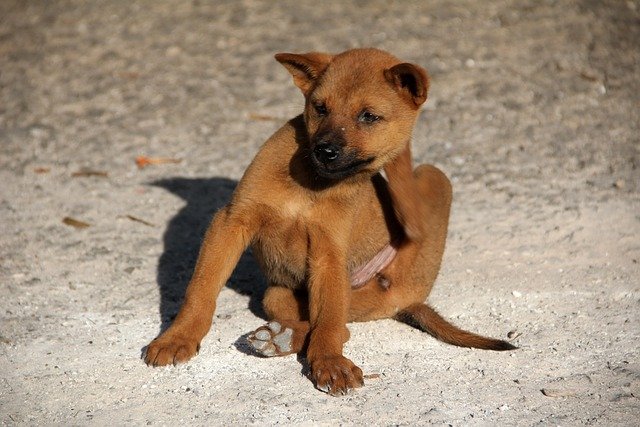
A dog that was fine at breakfast can have a raw, oozing patch the size of your palm by dinner. Hot spots, the common name for acute moist dermatitis, are one of the fastest-moving skin problems in dogs, because the dog itself makes the damage worse: an itch or irritation triggers scratching or licking, which breaks the skin, which gets infected, which itches more.
The cycle can turn a quarter-sized irritation into something the size of a pancake within a matter of hours.
Here’s what actually causes hot spots, how vets typically treat them, what it tends to cost, and when a red patch is worth an urgent trip to the vet rather than a wait-and-see approach.
What Causes a Hot Spot
🧠 Good to know: A hot spot is rarely the root problem; it’s usually a symptom of something else that made the dog scratch, lick, or chew in the first place.
The underlying triggers vary widely, which is part of why hot spots can seem to appear “out of nowhere.” Common causes include environmental or food allergies, flea or insect bites, ear infections (a dog scratching at an itchy ear can tear up the skin around it), matted or damp fur that traps moisture against the skin, anal gland irritation, and even boredom or anxiety-driven licking.
Thick-coated, double-coated breeds are especially prone, since moisture and heat get trapped against the skin more easily after swimming, bathing, or a humid day outside.
Symptoms and How Fast They Progress
A hot spot typically starts as a small area of red, inflamed skin that’s warm to the touch and clearly bothers the dog. Left alone, it can ooze, ulcerate, and lose fur rapidly; many owners describe finding a small irritated patch in the morning and a much larger raw area by evening.
The area is usually painful as well as itchy, and some dogs will growl, snap, or flinch if you touch it, which is itself a signal to be gentle and matter-of-fact rather than to keep pressing on the spot.
Track the Size: A “Measure, Don’t Guess” Log
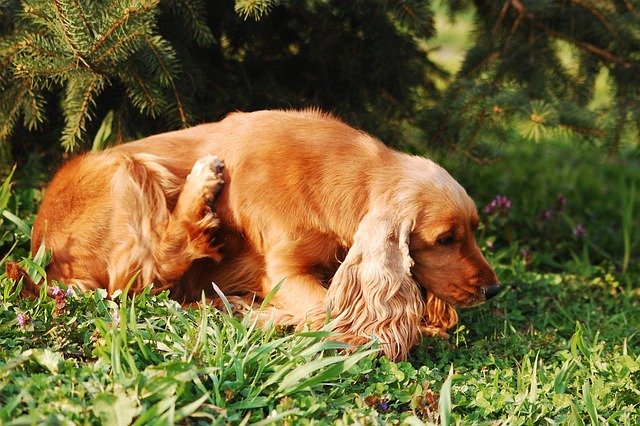
Hot spots (clinically, pyotraumatic dermatitis) are notorious for expanding fast, sometimes visibly larger within hours as a dog keeps licking and scratching the irritated area, which is what turns a small irritation into a raw, spreading lesion. Measuring it rather than eyeballing it tells you whether home care is actually working.
| Time | Longest diameter | Oozing? (Y/N) | Dog still licking/scratching? |
|---|---|---|---|
| Hour 0 | |||
| Hour 6 | |||
| Hour 24 |
A hot spot that’s still growing after you’ve started home care, rather than stable or shrinking, is the clearest sign it’s time to call the vet instead of waiting another day.
Which Breeds Are Most at Risk
Breeds with thick or double coats tend to show up disproportionately often, likely because moisture gets trapped against the skin more easily and mats can hide early irritation until it’s already inflamed. Labrador Retrievers, Golden Retrievers, German Shepherds, Rottweilers, St. Bernards, and Tibetan Mastiffs are frequently mentioned as higher-risk breeds.
That said, any dog with an underlying allergy, a flea infestation, or an ear infection can develop one, regardless of coat type.
How Hot Spots Are Typically Treated
Treatment usually starts with addressing the immediate wound and then working backward to the underlying cause. A vet will typically clip the fur around the area so it can be seen and can dry out, clean the site, and may prescribe a topical antibacterial or anti-inflammatory spray, along with oral antibiotics or steroids if the area is infected or particularly inflamed.
An E-collar (the “cone”) is commonly recommended for the first several days, since continued licking is what keeps the cycle going even after treatment starts. Just as important is figuring out what triggered it in the first place: flea prevention, an allergy workup, or ear-infection treatment, since a hot spot that isn’t traced back to a cause tends to recur.
What It Typically Costs to Treat
| Scenario | Typical Cost Range | What’s Included |
|---|---|---|
| Routine vet visit + basic treatment | $40 – $200 | Exam, clipping/cleaning, topical or oral medication |
| Infected or recurring hot spot | $150 – $400 | Above, plus antibiotics, E-collar, follow-up visit |
| Allergy workup (if hot spots recur) | Up to ~$2,000 | Allergy testing, specialist referral, long-term management plan |
Most single hot spots fall at the lower end of that range, a straightforward vet visit and a short course of medication. Costs climb when the spot is already infected, when a dog needs sedation to be treated comfortably, or when hot spots keep coming back and point to an allergy that needs proper diagnostic workup rather than repeated one-off treatments.

What You Can Do Before You Get to the Vet
If you spot a small hot spot and can’t get in to see a vet right away, gently trim the fur around the area if your dog will tolerate it (this helps it dry out and stops fur from trapping moisture and bacteria against the skin), and keep your dog from licking or scratching it as much as possible; a soft cone or a t-shirt/onesie can help in a pinch.
Avoid applying anything you’re not sure is safe for dogs to lick, since many human topical products aren’t appropriate. This is a stopgap, not a substitute for a vet visit, especially if the area is growing, oozing, or clearly painful.
Quick Q&A
Are hot spots contagious to other dogs?
No, a hot spot itself isn’t contagious; it’s a localized skin reaction, not an infectious disease. However, if the underlying cause is something like fleas, other pets in the household could pick up the same trigger.
Can I treat a hot spot at home without a vet?
Small, mild spots sometimes resolve with careful at-home management (trimming, cleaning, preventing licking), but because hot spots can worsen quickly and are often a sign of an underlying issue, a vet visit is the safer default, especially for a spot that’s growing, bleeding, or clearly painful.
Why does my dog keep getting hot spots?
Recurring hot spots usually point to an unresolved underlying trigger: commonly an allergy (food or environmental), fleas, or a chronic ear or anal gland issue, and are worth discussing with a vet as a pattern rather than treating each occurrence in isolation.
Do hot spots hurt?
Yes, most hot spots are both itchy and painful, which is why some dogs react defensively when the area is touched. Gentle handling and letting a vet manage the wound reduces unnecessary discomfort.
Where This Leaves You
Our take: a hot spot that’s small, calm, and not growing is reasonable to monitor closely for a day while keeping your dog from licking it, but a spot that’s spreading, oozing, or clearly painful is worth a same-day or next-day vet visit rather than a wait-and-see approach, since the underlying cause (fleas, allergies, an ear infection) needs to be addressed for it to actually stop recurring.
This article is for general information and isn’t a substitute for veterinary diagnosis or treatment. If your dog has a wound that’s rapidly growing, bleeding heavily, or seems to be in significant pain, contact your veterinarian or an emergency animal hospital.