

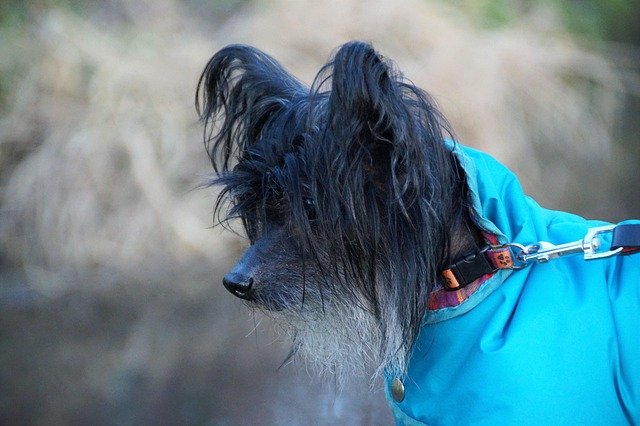
There’s no single temperature where every dog suddenly gets too cold. A husky and a Chihuahua live in completely different worlds at 30°F. Still, veterinarians use a few practical lines, and knowing them makes winter walks a lot less guesswork.
Here’s a plain guide to how cold is too cold for dogs, which dogs feel it first, the warning signs of hypothermia, and what to do if your dog gets chilled.
I put this guide together after noticing how often the same question pops up the first chilly week of fall: is it too cold for a walk today?
The Temperature Lines Vets Use
Think in zones, then adjust for your dog.
Veterinarian Jennifer Coates, DVM, writing for PetMD, describes three useful thresholds. They’re a starting point, not a rule, because wind, wet fur, and your dog’s build all shift the picture.
| Air temperature | What it means | Who to watch |
|---|---|---|
| Around 45°F | Some cold-averse dogs start to feel uncomfortable | Thin-coated and very small dogs |
| 32°F and below | Real risk zone for vulnerable dogs | Small breeds, thin coats, puppies, seniors, sick dogs |
| 20°F and below | Any dog could develop hypothermia or frostbite | All dogs, including cold-weather breeds on long outings |
Dr. Coates also points out that wind matters a lot: a brisk breeze can cut through a coat and wreck its insulation. Damp weather and cloud cover make cold feel worse, while a dark coat in direct sun soaks up a bit of extra warmth.
When I first compared these numbers with a typical forecast, the gap between “air temperature” and “feels like” surprised me. On a windy day, it’s worth checking the wind chill before the leash comes out.
Which Dogs Get Cold Fastest
The AKC lists small dogs, senior dogs, puppies, and short-coated dogs as the groups at highest risk of losing body heat quickly. A few practical examples:
- Cold-sensitive: very thin-coated breeds such as the Basenji or Xoloitzcuintli, plus Chihuahuas, Italian Greyhounds, and Whippets.
- Cold-tolerant: thick double-coated breeds like Siberian Huskies, Newfoundlands, and Samoyeds.
- Dogs with health issues: chronic conditions can make cold harder to handle, so ask your vet what’s safe if your dog has an ongoing medical problem.
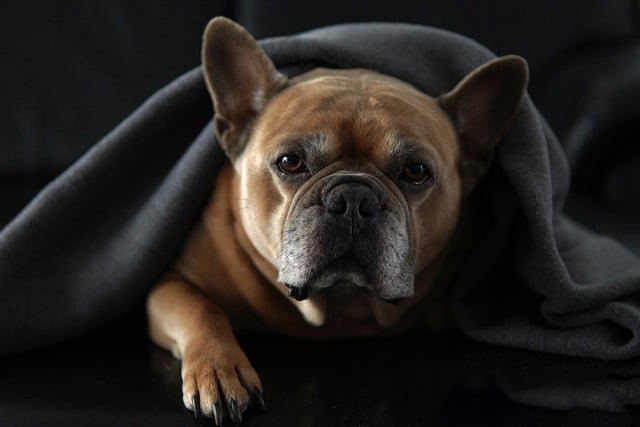
Short coats and small bodies lose heat faster, so these dogs need extra protection sooner.
How Animal Welfare Officers Score Cold Risk
If you want something more structured than rough temperature lines, there’s a tool built for exactly this. The Tufts Animal Care and Condition (TACC) weather safety scale, developed for animal control officers to assess dogs kept outdoors, turns temperature and a handful of conditions into a single risk score.
It starts with the air temperature and the dog’s size (small, medium, or large) to get a base score, then adjusts for conditions:
| Condition | Score change |
|---|---|
| Toy breed | +1 |
| Exposed to rain or sleet | +2 |
| Northern or heavy-coated breed | −1 |
| Good shelter and bedding available | −1 |
| Dog is acclimated to cold | −1 |
On the final scale, a score of 1 or less means no evidence of risk, 3 signals potentially unsafe conditions, and 5 or more is described as potentially life-threatening. You don’t need the official chart to use the logic at home: notice how wet weather alone adds two points, more than any single other factor. That’s a good reminder to keep winter walks short when it’s sleeting.
Signs Your Dog Is Too Cold
Dogs show cold discomfort before it turns dangerous. PetMD lists shivering, acting anxious, whining, slowing down, looking for warm spots, and lifting one or more paws off the ground. Treat any of these as a cue to head home.
When it becomes hypothermia
The AKC explains that hypothermia starts once body temperature drops below about 99°F. It describes three stages:
| Stage | Body temperature | What you may see |
|---|---|---|
| Mild | 90–99°F | Shivering, curling up, weakness |
| Moderate | 82–90°F | Slowed heart rate, shallow breathing, sluggish reflexes |
| Severe | Below 82°F | Pale gums, dilated pupils, collapse, unconsciousness |
One tricky detail: as the AKC’s list shows, later stages look more like sluggishness than shivering. A cold dog that stops shivering and seems “calmer” may be getting worse, not better.
What to Do If Your Dog Gets Too Cold
- Get somewhere warm and call your vet. The AKC says to contact your veterinarian right away.
- Dry your dog with towels if they’re wet. Wet fur pulls heat away fast.
- Wrap them in warm blankets. Gentle, gradual warming is the goal.
- Keep movement to a minimum during rewarming, as the AKC recommends.
- Avoid direct high heat like a hot heating pad against the skin, which can burn a dog that can’t move away.
Moderate and severe hypothermia need veterinary treatment. Don’t wait it out at home.
Winter Safety Habits That Help
- Use a coat or sweater for small, thin-coated, or senior dogs. The AKC recommends jackets, sweaters, and booties.
- Shorten walks in deep cold and go more often instead.
- Keep your dog dry before heading out, and towel off after snow.
- Wash paws after walks. The ASPCA recommends cleaning feet to remove ice, salt, and de-icing chemicals.
- Clean up antifreeze spills right away. The ASPCA calls antifreeze lethal for dogs and cats.
- Never leave a dog in a cold car. The ASPCA warns that cars can act like refrigerators in winter.
Indoor dogs need care too. The ASPCA recommends a warm place to sleep, off the floor and away from drafts, which matters most for older dogs.
Choosing a Coat That Actually Helps
Not every dog needs a coat, but for small, thin-coated, or senior dogs it can make winter walks far more comfortable. The ASPCA recommends a coat or sweater with a high collar or turtleneck that covers the dog from the base of the tail to the belly.
- Coverage: the belly matters, since it’s close to cold ground and snow.
- Fit: snug enough not to slip, loose enough to move freely. You should be able to slide two fingers under the straps.
- Weather: a water-resistant outer layer helps on wet days, since damp fur loses heat faster.
- Getting used to it: introduce the coat indoors with treats before the first cold walk.
Booties follow the same idea. Short sessions indoors with rewards help most dogs accept them, which pays off on salted sidewalks.
A Simple Winter Walk Log
Every dog’s cold tolerance is a little different. A short log for a couple of weeks helps you find your own dog’s limits.
| Date | Temp / wind chill (°F) | Minutes outside | Coat or booties? | First sign of cold (minute) |
|---|---|---|---|---|
After a few entries, you’ll see a pattern, such as paw lifting around minute 15 when it’s below freezing. That’s your turnaround point.
FAQ
Is 40 degrees too cold for a dog?
For most healthy dogs, a walk at 40°F is fine. Small, thin-coated, or older dogs may want a sweater and a shorter route, especially if it’s windy or damp.
Do dogs really need boots?
Not every dog, but boots help in snow, on salted sidewalks, and for dogs with sensitive pads. Introduce them slowly with treats.
Can dogs get frostbite?
Yes, especially at 20°F and below. Ears, the tail tip, and paw pads are the most exposed areas. If any of them look pale, discolored, or painful after time in the cold, call your vet.
Bottom Line
Use 45°F, 32°F, and 20°F as rough markers, then adjust for your dog’s size, coat, age, and health, plus wind and wet weather. Watch for shivering and paw lifting, and get to warmth quickly if they show up.
Honestly, the paw-lift sign is the one I’d teach every new owner first. It’s easy to miss, and it often shows up early. If your dog is older, our senior dog care checklist covers other seasonal changes worth watching.
This article is general information and not a substitute for advice from your veterinarian.