

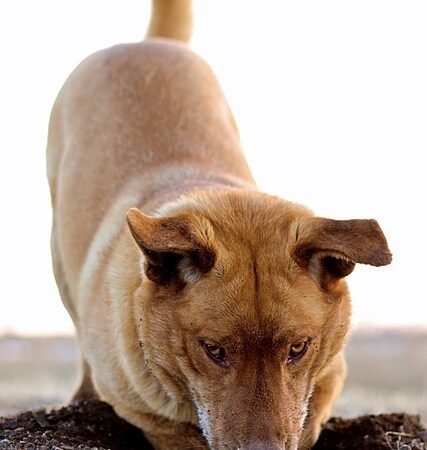
If you’ve searched for how to stop a dog from digging in the yard, you’re not dealing with a bad dog; you’re dealing with a dog doing exactly what dogs are built to do. According to the American Kennel Club, digging is rooted in instinct as much as habit: dogs dig to escape, to hunt, to cool off, to relieve boredom, or simply because it feels good.
The good news is that once you identify which of those drivers is behind your dog’s excavation project, the fix is usually a matter of management and redirection rather than punishment.
Why Dogs Dig in the First Place
Digging is almost always driven by one of five instincts: escape, prey drive, temperature control, boredom, or plain enjoyment.
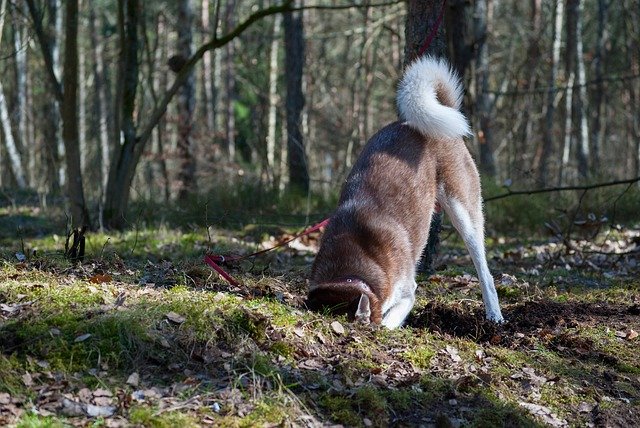
The AKC identifies five primary motivations behind yard digging: attempting to escape a fenced area, hunting for real or imagined critters underground, regulating body temperature by exposing cooler earth, relieving boredom, and simple enjoyment of the activity itself. VCA Animal Hospitals adds that on a hot day, “any dog may dig a hole to cool off,” which is worth remembering before you assume the behavior is purely behavioral.
Some dogs are also hoarders at heart. PetMD notes that certain dogs dig to bury treasured items, a bone, a toy, even stolen socks, for safekeeping. Because several of these drivers can overlap in the same dog on the same afternoon, the first step in any real fix is figuring out which one (or ones) apply to your yard, your weather, and your dog’s daily routine.
Where your dog digs is often a clue in itself. Holes along the base of a fence line usually point to escape or boundary-testing. Random craters scattered across open lawn tend to track with boredom or plain enjoyment. A hole dug in deep shade, near the house foundation, or under a porch often means your dog is chasing cooler dirt rather than freedom or prey.
Narrow, focused digging in one patch of ground, especially if it follows a line, is a strong sign your dog has picked up the scent of a mole, vole, or grub tunneling underneath. Matching the location to the likely motivation makes the redirection strategies below far more effective than a one-size-fits-all approach.
Breed Tendencies Worth Knowing
Some breeds are genetically wired to dig, and no amount of training will fully erase that drive.
If you share your home with a terrier, a dachshund, or a similar earthdog breed, digging isn’t a quirk; it’s a job description. The AKC explains that terriers and small hounds were “bred to dig out quarry from their dens,” a heritage still celebrated in the AKC’s own Earthdog sport, where these breeds tunnel toward a caged (safely inaccessible) quarry scent as a test of instinct.
Northern breeds carry a different, but equally strong, drive. VCA Animal Hospitals notes that “Northern breeds (Huskies, Malamutes) dig cooling holes and lie in them,” a behavior tied to their thick double coats and cold-weather ancestry. PetMD echoes this, pointing to Siberian Huskies as a breed that seeks out cooler underground spots even in mild weather.
None of this means these breeds can’t live in a yard without destroying it; it means their owners should expect to manage the instinct rather than eliminate it entirely.
Management and Redirection Techniques That Actually Work
The most effective fix combines more physical and mental stimulation with a designated place where digging is allowed.
Across AKC, PetMD, and Best Friends Animal Society, the same core strategy comes up again and again: meet the underlying need, then redirect the behavior rather than trying to suppress it outright.
- Increase exercise and enrichment. Best Friends Animal Society puts it plainly: “dogs will dig out of boredom, so make sure your dog gets plenty of exercise and interaction.” Longer walks, food puzzles, sniff-based games, and training sessions all burn the mental and physical energy that might otherwise go into your flower bed.
- Build a designated digging pit. This is the single most-recommended tool across sources. The AKC’s GoodDog! Helpline trainer Christie Canfield suggests a simple sandbox, a kiddie pool or a few boards nailed together, filled with loose soil or sand, with toys and treats buried inside to make it more rewarding than the rest of the yard. Best Friends recommends sizing the box to your dog (at least 12 inches deep for a 50-pound dog) and seeding it in a spot your dog already favors, since building on existing habit works better than starting from scratch.
- Address the heat. If your dog is digging to cool off, PetMD recommends offering shade, fresh water, and a shallow kiddie pool for warm afternoons rather than leaving cooling entirely up to a shovel.
- Reinforce your fence line. For escape-driven digging, the AKC advises burying fencing “a couple of feet into the ground” or adding a buried barrier (like chicken wire or pavers) along the perimeter.
- Manage pests. If your dog is digging in a specific, narrow area, they may be hunting moles, voles, or grubs. Removing the food source (with pest-safe methods) can remove the motivation.
- Skip the punishment. PetMD is explicit that scolding or physically punishing a dog for digging damages trust and often backfires, sometimes making the behavior worse or driving it toward moments when you’re not watching.
Our take: the designated digging pit is worth trying before anything more elaborate, because it works with a dog’s instinct instead of against it, but it only pays off if you actively seed it with buried treats and toys for the first few weeks, not just point your dog toward an empty sandbox and hope.
When Digging Signals Something More Than Boredom
Digging paired with pacing, escape attempts, or distress when you leave is often a sign of anxiety, not just excess energy.
Not all digging is a training issue. The ASPCA notes that dogs with separation anxiety may “dig at doors and doorways” when left alone, sometimes severely enough to cause “self-injury, such as broken teeth, cut and scraped front paws and damaged nails.”
This kind of digging typically shows up alongside other symptoms: howling or barking when you leave, pacing, house soiling despite being fully housetrained, or frantic attempts to escape through doors or windows, not just holes in the lawn.
If that pattern sounds familiar, a digging pit and a longer walk won’t solve the underlying problem. The ASPCA recommends working with a Certified Applied Animal Behaviorist, a board-certified veterinary behaviorist, or a certified trainer with specific experience in fear-based behavior modification, and notes that moderate to severe cases are often treated with a combination of behavior modification and, when appropriate, medication prescribed by a veterinarian.
Disclaimer: This article is for general education and isn’t a substitute for personalized veterinary or veterinary-behaviorist advice, if you suspect anxiety-driven digging, talk to your vet or a certified behaviorist before starting a treatment plan.
Track Your Dog’s Digging to Spot the Pattern
A simple log of when and where your dog digs can reveal the trigger faster than guesswork.
Before you can pick the right fix, it helps to see the pattern in black and white. Use the blank log below to track your own dog’s digging over one to two weeks; this is a template for your household, not published data, so fill it in with your own observations and bring it to your vet or trainer if a clear anxiety or escape pattern emerges.
| Date | Time of Day | Where Dog Dug | Suspected Trigger (boredom/heat/prey/anxiety/escape) | What You Tried | Result |
|---|---|---|---|---|---|
FAQs
Will neutering or spaying stop a dog from digging?
Not reliably. Spaying or neutering can reduce some roaming and escape-driven behaviors tied to mating instinct, but it won’t eliminate digging that’s rooted in boredom, prey drive, heat-seeking, or breed instinct. Ask your vet or trainer whether it’s likely to help your dog’s specific pattern.
Should I fill in the holes my dog digs?
Yes, but pair it with redirection. Filling holes without addressing the underlying cause (boredom, heat, escape attempts) usually just moves the digging to a new spot. Combine filling existing holes with a designated digging pit and more enrichment so your dog has an approved outlet.
Is it normal for a puppy to dig more than an adult dog?
Puppies often dig more simply because they’re exploring the world with their mouths and paws and haven’t learned yard boundaries yet. Consistent redirection to a digging pit, combined with supervision, tends to work well during this stage; ask your vet if digging seems unusually frantic or is paired with other distress signs.
Key Takeaways
Most yard digging comes down to a handful of instincts, escape, prey drive, heat, boredom, or plain enjoyment, and most of it responds well to more enrichment, a reinforced fence line, and a designated digging pit stocked with buried treats and toys.
Watch for digging that comes paired with pacing, howling, or frantic escape attempts, since that combination points toward anxiety that deserves a vet or behaviorist’s input rather than a bigger sandbox. If you’re setting up a yard and home for a new dog or puppy, our articles on puppy-proofing your home and how to socialize a puppy cover related ground worth reading before the digging habit even starts.