

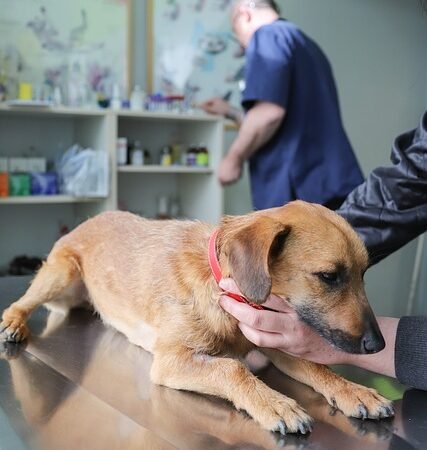
A dog that suddenly develops a persistent, honking cough right after a stay at a boarding kennel, a visit to the dog park, or a training class is a classic kennel cough story. Kennel cough (canine infectious tracheobronchitis) is highly contagious and spreads easily anywhere dogs gather, but for most dogs it’s a manageable, short-lived illness rather than a serious threat.
Here’s what the cough actually sounds like, how contagious it really is, how vets treat it, and what it tends to cost from a first exam through recovery.
What Kennel Cough Sounds and Looks Like
Key point: The hallmark symptom is a dry, forceful cough that often sounds like a goose honking, sometimes followed by gagging or retching as if something’s stuck in the throat.
Most dogs with kennel cough are otherwise acting normal, eating, playing, and alert, with the cough as the main visible symptom. Some dogs also develop a mild runny nose, low-grade fever, or reduced energy, but a dog that seems seriously lethargic, is refusing food, or has labored breathing needs a vet visit promptly, since that can point to a more serious respiratory infection rather than uncomplicated kennel cough.
How Contagious Is It, Really
Very. Kennel cough spreads through airborne respiratory droplets (coughing, sneezing) and through shared surfaces like water bowls, toys, and bedding, which is exactly why it moves quickly through boarding kennels, dog parks, and group training classes.
A dog is typically contagious while actively coughing and can remain contagious for up to about two weeks after symptoms resolve, so many boarding facilities require a symptom-free waiting period before dogs can return. The good news: kennel cough is not transmissible to humans.
A Symptom Countdown, Not a Fixed Calendar Date
The AVMA notes that most dogs with canine infectious respiratory disease complex (CIRDC, the clinical name for kennel cough) are contagious even before they start coughing, and that typical cases resolve within 7 to 10 days, with isolation recommended until the dog is fully recovered, not for a fixed number of days. Daily tracking is what actually tells you when that point arrives.
| Day | Cough frequency | Appetite normal? (Y/N) | Energy level (1–5) |
|---|---|---|---|
| 1 | |||
| 4 | |||
| 7 | |||
| 10 |
A cough that’s “mostly gone” but still shows up occasionally isn’t the same as fully recovered; check with your vet before reintroducing your dog to daycare, boarding, or the dog park if any symptom is still showing on the log.
How Vets Typically Treat It
Most uncomplicated cases resolve on their own within 10 to 14 days with rest and time, similar to how a common cold runs its course in people. A vet may still prescribe a cough suppressant to keep your dog (and the rest of the household) comfortable, and antibiotics if there’s a secondary bacterial infection or the case is more severe.
Keeping a coughing dog away from other dogs during recovery, using a harness instead of a collar (to avoid extra pressure on an already irritated trachea), and limiting strenuous exercise all help speed recovery along.
What It Typically Costs
| Item | Typical Cost Range |
|---|---|
| Vet exam + basic diagnosis | $75 – $200 |
| X-rays or lab work (if needed) | +$200 – $500 |
| Cough suppressant medication | $30 – $50 |
| Bordetella vaccine (per dose) | $19 – $70 |
Most straightforward cases stay toward the lower end: an exam plus a short course of medication. Costs rise if X-rays or bloodwork are needed to rule out pneumonia or another cause, which a vet may recommend for puppies, senior dogs, or a cough that isn’t improving as expected.
Prevention: The Bordetella Vaccine
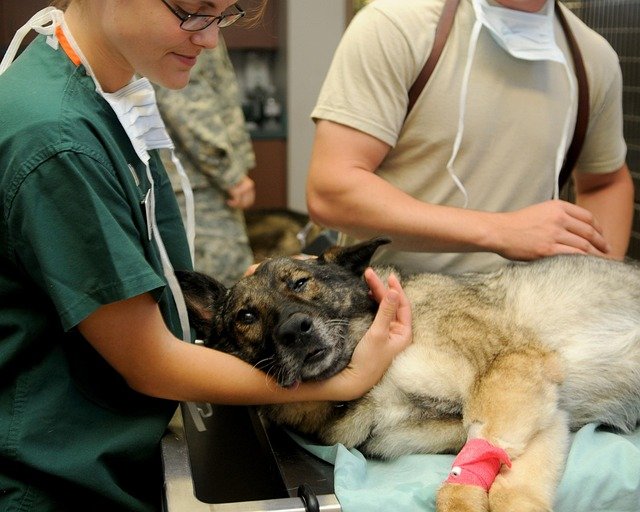
The Bordetella vaccine targets one of the most common bacterial causes of kennel cough and is frequently required by boarding kennels, groomers, and daycare facilities before a dog can be admitted. It’s usually given annually, though vets often recommend 6-month boosters for dogs with high exposure, frequent boarding, daycare, or dog park visits.
It doesn’t guarantee complete immunity (kennel cough can have multiple causes, viral and bacterial), but it meaningfully reduces both the likelihood and severity of infection.
A Few More Questions
Can my dog get kennel cough even if they’re vaccinated?
Yes, it’s possible, since kennel cough can be caused by several different pathogens and the vaccine primarily targets Bordetella. A vaccinated dog that does get sick typically has a milder case than an unvaccinated one.
How long should I keep my dog away from other dogs?
Generally until the cough has fully resolved and for a couple of weeks afterward, since dogs can remain contagious even after symptoms clear. Many boarding and daycare facilities set their own required waiting period.
Is kennel cough the same as canine influenza?
No; they’re different illnesses with overlapping symptoms. Canine influenza tends to be more severe and is a distinct virus; a vet visit is the best way to tell them apart if symptoms seem more serious than a typical kennel cough case.
Should I take my puppy to the dog park if kennel cough is going around?
It’s worth being cautious: puppies with incomplete vaccination series are more vulnerable to respiratory illness generally, so many vets recommend avoiding high-traffic dog areas until a puppy’s vaccine series is complete.
In Short
Our take: kennel cough sounds alarming because of how it sounds, but most cases are a manageable, short-term illness that resolves with rest and basic supportive care. The Bordetella vaccine is a reasonable, low-cost step for any dog that regularly boards, attends daycare, or spends time around other dogs, and a same-week vet visit is worth it any time the cough is paired with lethargy, appetite loss, or labored breathing.
This article is for general information and isn’t a substitute for veterinary diagnosis or treatment. If your dog’s cough is severe, persistent beyond two weeks, or accompanied by breathing difficulty or loss of appetite, contact your veterinarian.