

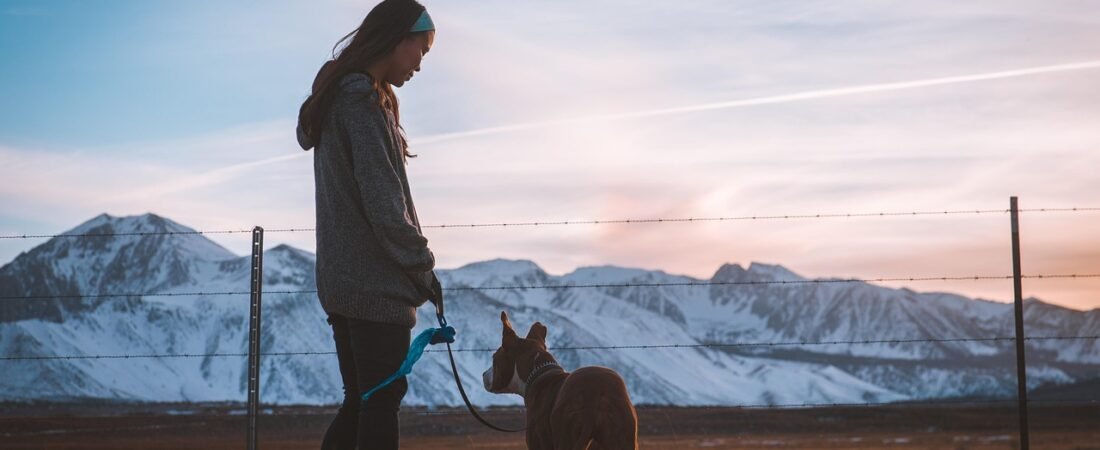
A walk should be the best part of your dog’s day — not a tug-of-war that leaves your shoulder aching. Leash pulling is one of the most common dog training complaints, and it’s very fixable with the right technique and a little consistency. The goal is loose-leash walking: your dog walking calmly beside you with slack in the leash. Here’s how to stop your dog from pulling, step by step.
Why dogs pull on the leash
Dogs pull for a simple reason: it works. They walk faster than we do and they’re excited to get to the next sniff, so leaning into the leash gets them there. They’re not being stubborn or “dominant” — they’ve just never been taught that a loose leash is what moves them forward. That’s the habit you’ll reverse.
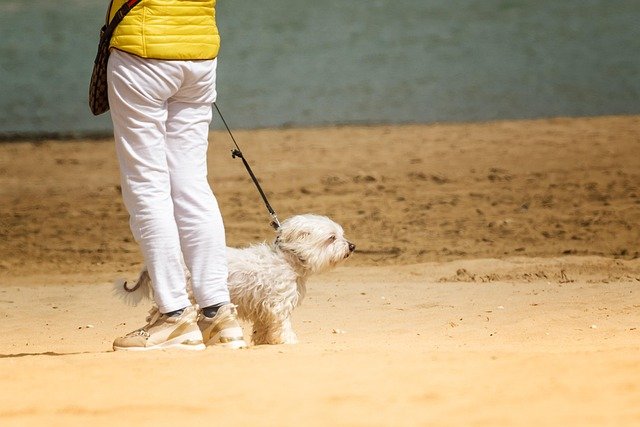
How to stop your dog pulling, step by step
1. Start with the right gear
A front-clip no-pull harness gently redirects your dog toward you when they pull, which makes training much easier and protects their neck. Skip retractable leashes for training — they teach constant tension. Use a standard 4-to-6-foot leash. (Not sure which to get? See our guide to the best no-pull harnesses.)
2. Reward the position you want
Bring high-value treats. Every time your dog is walking near your side with a loose leash, mark it (“yes!”) and reward. You’re teaching your dog that staying beside you — not pulling ahead — is what pays.
3. Stop moving when they pull (“be a tree”)
The instant the leash goes tight, stop walking and stand still. Don’t yank back — just become a boring tree. The moment your dog eases off and the leash loosens, praise and walk on. Your dog quickly learns that pulling stops the walk and a loose leash restarts it.
4. Change direction
Another effective move: when your dog forges ahead, calmly turn and walk the other way. This teaches your dog to pay attention to you and keep the leash slack, because you’re unpredictable and worth watching.
5. Keep sessions short and start easy
Begin training in a low-distraction area like your backyard or a quiet street, and keep sessions short. Build up to busier environments gradually as your dog gets reliable. Ending on a success beats a long, frustrating slog.
6. Be consistent — every walk counts
The fastest way to slow progress is to let your dog pull “just this once” when you’re in a hurry. Every walk is a training session. If you can’t train, use the harness to manage pulling that day, but try never to reward a tight leash by moving forward.
What not to do
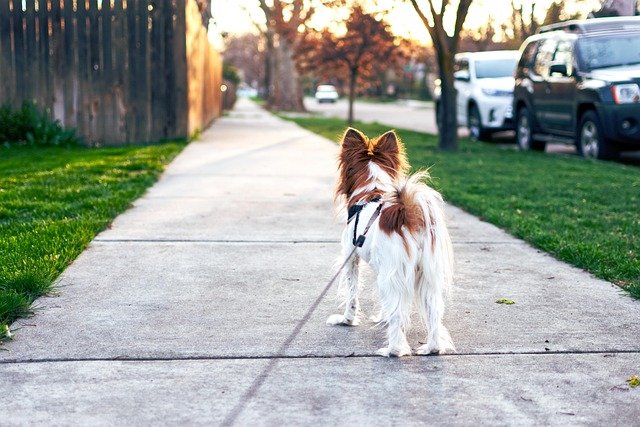
Avoid jerking or yanking the leash, and skip aversive tools like prong or shock collars as a first resort — positive-reinforcement methods are effective and don’t risk fear or injury. Don’t let the leash stay tight and just power through; that reinforces the exact habit you’re trying to break.
How long does it take?
Some dogs improve within a few sessions; ingrained pullers may take several weeks of consistent practice. Puppies often learn quickly because they have no bad habits yet. Patience and consistency matter more than any single trick.
Questions Owners Often Ask
Do no-pull harnesses actually work?
A front-clip harness reduces pulling by redirecting your dog toward you, which makes training easier — but it’s a tool, not a cure. Pair it with the training steps above for lasting results.
Why does my dog pull even with a harness?
Because the harness manages pulling but doesn’t teach the dog what to do instead. Keep rewarding a loose leash and stopping when it’s tight so your dog learns the habit, not just wears the gear.
How do I stop pulling toward other dogs or distractions?
Increase distance from the distraction, reward your dog for checking in with you, and practice in gradually more distracting settings. For reactive dogs, a trainer can help you build a plan.
Is my dog pulling because they’re dominant?
No — pulling is simply a learned habit because it gets them where they want to go faster. Teaching a loose leash pays better, and that’s what changes the behavior.
Wrapping Up
To stop your dog pulling, start with a front-clip no-pull harness, reward your dog for walking beside you with a loose leash, stop moving the instant the leash goes tight, and stay consistent on every walk. Begin in a quiet spot and build up. With practice, walks become the relaxed highlight of the day they’re meant to be.
References
- American Kennel Club — Loose-Leash Walking and How to Stop Pulling (2026)
- Best Friends Animal Society — How to Stop a Dog From Pulling on Leash