
A total hip replacement for a dog can cost $4,000–$7,000 per hip — more if both hips need surgery. For large and giant breeds prone to hip dysplasia, that’s exactly the kind of bill pet insurance exists to soften. But hip dysplasia sits in a genuinely confusing corner of pet insurance: it’s often hereditary, sometimes shows up before symptoms are obvious, and insurers handle it very differently depending on your dog’s age and history at enrollment.
This guide breaks down what “pre-existing condition” actually means for hip dysplasia specifically, what treatment really costs, and how the major insurers differ — so you know what questions to ask before you buy a policy, not after a claim gets denied.

What “Pre-Existing Condition” Actually Means
📌 Quick tip: A condition can count as “pre-existing” even if your dog was never formally diagnosed — insurers can point to any documented symptom, limp, or vet visit before your policy started (or before the waiting period ended).
Across insurers, a pre-existing condition is generally defined as anything your dog showed symptoms of, was diagnosed with, or was treated for before the policy’s effective date — and in most cases, before the end of the initial waiting period, not just before enrollment. That distinction matters: if your dog starts limping during the 14–30 day illness waiting period and gets diagnosed with hip dysplasia during that window, most insurers will treat it as pre-existing even though you were already a paying policyholder.
Insurers don’t all define “curable” the same way, either. Trupanion, ASPCA, and Embrace generally treat orthopedic and hereditary conditions like hip dysplasia as not curable, meaning once excluded, they stay excluded for the life of the policy. Healthy Paws’ own policy allows reinstatement of a condition after 365 symptom-free days — but some third-party comparison sites (like Forbes) characterize Healthy Paws as offering no reinstatement at all. That’s a real discrepancy worth resolving directly with Healthy Paws before assuming either way.
Why Hip Dysplasia Is a Special Case
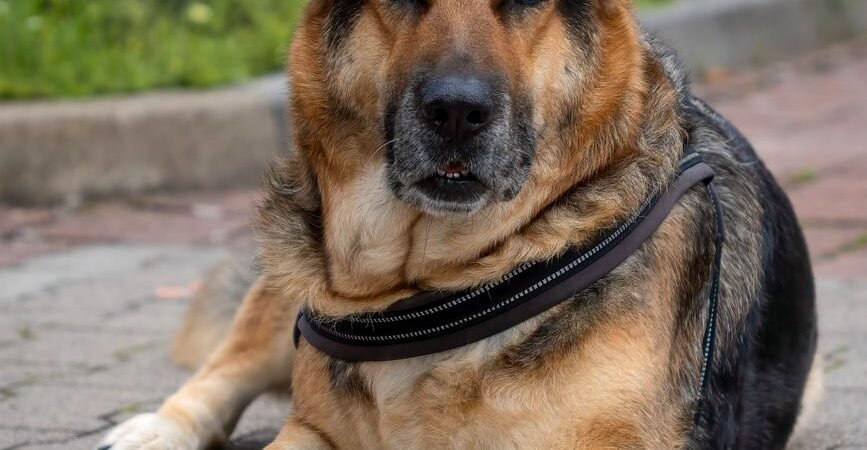
📌 Quick tip: Large and giant breeds — German Shepherds, Labradors, Golden Retrievers, Great Danes — carry a meaningfully higher genetic risk, which is exactly why insurers scrutinize this condition so closely.
Hip dysplasia is a malformation of the hip joint where the ball and socket don’t fit or develop correctly, leading to pain, arthritis, and reduced mobility over time. It’s strongly linked to breed and genetics, though rapid growth, excess weight, and high-impact exercise as a puppy can make it worse. Breeds most commonly affected include German Shepherds, Labrador Retrievers, Golden Retrievers, Great Danes, Saint Bernards, and Rottweilers.
Treatment costs scale with severity, and a bilateral case (both hips) roughly doubles the per-hip numbers below:
| Treatment | Typical US Cost Range |
|---|---|
| Vet exam and consultation | $50–$150 |
| X-rays / diagnostic imaging | $150–$800 |
| DPO/TPO surgery (per hip, younger dogs) | $1,200–$4,500 |
| Femoral head osteotomy (FHO, per hip) | $1,500–$3,500 |
| Total hip replacement (per hip, average) | $4,000–$7,000 (avg. ~$5,500) |
| Bilateral total hip replacement | $8,000–$10,000+ |

How Each Major Insurer Handles Hip Dysplasia
📌 Quick tip: Trupanion covers hip dysplasia as a standard condition with no special waiting period if your dog enrolls symptom-free — most competitors instead cut off coverage once your dog is enrolled past a certain age.
Coverage approaches vary meaningfully:
- Trupanion builds hip dysplasia coverage into its standard policy (no separate rider needed) as long as your dog is enrolled before showing any symptoms — it’s treated like any other new condition, subject to the standard illness waiting period rather than a special exclusion.
- Healthy Paws and ManyPets generally will not cover hip dysplasia if your dog is enrolled at 6 years or older, since at that age the condition is considered likely to already be present or developing, even without a formal diagnosis.
- ASPCA Pet Health Insurance gates hip dysplasia coverage behind its higher-tier “Complete Coverage” plan rather than including it in every plan level — their base-tier accident-only or lower plans may exclude it entirely.
- Embrace treats hip dysplasia as a condition it can cover for enrollment prior to age 6 (varies by state), but applies its standard orthopedic waiting period, which tends to run longer than the general illness wait.
The pattern across nearly every insurer is the same: enroll early, before any symptoms, and before an age cutoff — that single decision affects coverage more than which specific company you choose.
Bilateral Exclusion Clauses: The Fine Print That Catches Owners Off Guard
📌 Quick tip: If one hip is already excluded as pre-existing, some policies automatically exclude the other hip too — even if it’s never shown a symptom.
Because hip dysplasia is frequently bilateral (affecting both hips, often around the same time), many insurers apply what’s sometimes called a bilateral condition clause: if your dog develops symptoms in one hip before or shortly after enrollment, the insurer may treat the opposite hip as pre-existing too, even though it hasn’t shown any problem yet. This clause is one of the most commonly misunderstood parts of orthopedic coverage, and it’s worth asking about explicitly — by name — before buying a policy for a breed at elevated risk.
Unfortunately, there’s limited public first-person documentation (claims-denial stories, forum threads) confirming exactly how each insurer applies this in practice, and some claims about specific insurers not covering hip dysplasia at all (Nationwide, for instance) are sourced secondhand through comparison sites rather than the insurer’s own policy language. Treat any specific insurer’s stance as something to confirm directly with their underwriting team before enrolling, not something to take at face value from a blog post — including this one.

How to Protect Yourself
📌 Quick tip: The best financial protection against hip dysplasia is enrolling before your dog’s first symptom — not finding the insurer with the best marketing copy.
A few practical steps matter more than picking a specific brand:
- Enroll as a puppy or young adult, ideally before any orthopedic exam has flagged early signs, since symptom-free enrollment is the single biggest lever on whether hip dysplasia gets covered at all.
- Ask directly, in writing, whether the insurer treats hip dysplasia as covered-by-default, covered-only-on-a-higher-tier, or excluded outright for your dog’s breed and age.
- Ask specifically about bilateral exclusion — whether a diagnosis in one hip affects future coverage for the other.
- Consider OFA or PennHIP screening for breeding-line dogs — some insurers view documented clean hip scores favorably, though this varies by company and isn’t universal.
- Keep vet records organized from day one — if a coverage dispute ever comes up, a clean, dated record of when symptoms first appeared is your strongest evidence.
A Few More Questions
Can I get pet insurance if my dog already has hip dysplasia?
You can generally still buy a policy, but the hip dysplasia itself will almost always be excluded as a pre-existing condition. The policy would still cover unrelated future conditions — it just won’t help with costs tied to the hip issue you already know about.
Does breed alone make hip dysplasia “pre-existing”?
No — breed predisposition alone isn’t the same as a documented symptom or diagnosis. A German Shepherd puppy enrolled with no symptoms and no vet note about gait or joint issues should be eligible for standard hip dysplasia coverage under most insurers’ terms, subject to their waiting period.
Is hip dysplasia surgery ever “worth it” cost-wise compared to just paying out of pocket?
That depends entirely on your dog’s quality of life, prognosis, and your own finances — this isn’t something a blog post can answer generically. What insurance changes is the timing of that decision: with coverage in place before symptoms appear, you’re choosing the best treatment rather than the cheapest one your budget allows in the moment.
What’s the difference between DPO/TPO surgery and a full hip replacement?
DPO/TPO (double or triple pelvic osteotomy) is typically done in younger dogs before arthritis sets in, repositioning the hip socket to improve the joint’s mechanics. A total hip replacement is a more involved procedure usually used for older dogs or more advanced cases, replacing the joint entirely. Your vet or a veterinary orthopedic specialist is the right source for which applies to your dog.
In Short
Hip dysplasia coverage comes down to timing more than brand loyalty: enroll before symptoms appear, understand your insurer’s specific age cutoffs and bilateral-exclusion rules, and get anything ambiguous confirmed in writing before you need to file a claim. For breeds at real genetic risk, that early enrollment decision is worth far more than shopping for the lowest monthly premium.
This article is for general educational purposes and is not veterinary or financial advice. Insurance terms, coverage rules, and pricing change and vary by state — always confirm current policy details directly with the insurer and consult your veterinarian about your dog’s specific health needs.