

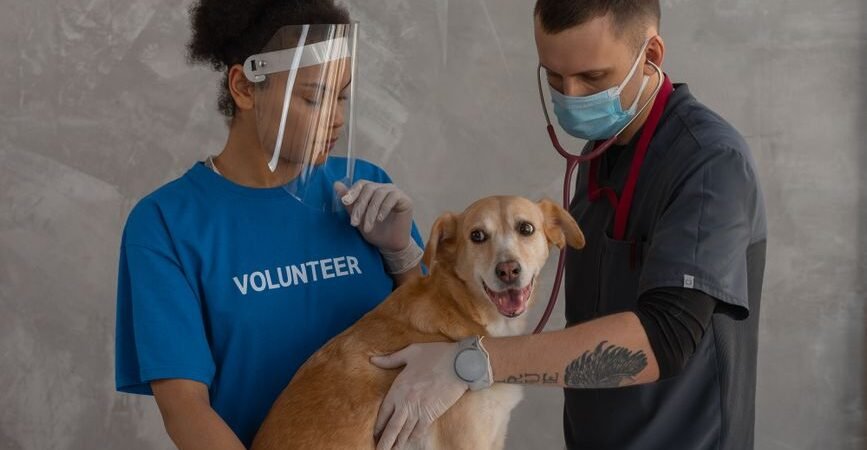
A full round of puppy shots typically runs $250–$450 for the first year once you count every core vaccine and the clinic visits that go with them — and that’s before you factor in the “extra” vaccines your vet might recommend based on where you live. The confusing part isn’t usually the cost, though — it’s the schedule. Puppies need several rounds of the same vaccine spaced weeks apart, and it’s easy to lose track of which shot happens when.
Here’s the full timeline, what each round actually covers, and roughly what to budget for — broken down by age so you know what’s coming at your next vet visit.

The Full Puppy Vaccination Timeline, Week by Week
🐾 Worth knowing: Your puppy needs three rounds of their core combination vaccine, not just one — a single dose doesn’t reliably build immunity while maternal antibodies are still fading.
Most veterinarians follow some version of the schedule below, adapted from AAHA canine vaccination guidelines. Exact timing can shift by a week or two depending on your vet’s protocol and your puppy’s health.
| Age | Vaccines Typically Given | Core or Non-Core |
|---|---|---|
| 6–8 weeks | DHPP #1 (distemper, hepatitis, parainfluenza, parvovirus) | Core |
| 6–8 weeks | Bordetella (if going to daycare/boarding soon) | Non-core |
| 10–12 weeks | DHPP #2 | Core |
| 10–12 weeks | Leptospirosis #1 (if recommended for your area) | Non-core |
| 14–16 weeks | DHPP #3, Rabies | Core |
| 14–16 weeks | Leptospirosis #2, Lyme #1 | Non-core |
| 16–18 weeks | Canine influenza #1, Lyme #2 | Non-core |
| ~1 year | DHPP booster, Rabies booster | Core |
Rabies is the one exception worth flagging: it’s legally required almost everywhere in the U.S., and most states set a minimum age (commonly 12 weeks, though it varies) rather than tying it strictly to the DHPP schedule — your vet will time it to your local law.
Core vs. Non-Core Vaccines: What Your Puppy Actually Needs
🐾 Worth knowing: Every puppy needs the core vaccines. Whether they need the non-core ones depends entirely on lifestyle and geography — there’s no one-size-fits-all list.
Core vaccines (DHPP and rabies) protect against diseases that are widespread, highly contagious, or fatal, which is why AAHA recommends them for essentially every dog regardless of lifestyle. Non-core vaccines are recommended selectively:
- Bordetella — worth it if your puppy will be in daycare, boarding, grooming, or puppy classes, since many facilities require it.
- Leptospirosis — more relevant if you’re near standing water, wildlife, or rural/suburban areas where wildlife urine can contaminate yards.
- Lyme disease — regionally driven; your vet will know if Lyme is common where you live (it’s much more relevant in the Northeast and upper Midwest than, say, the desert Southwest).
- Canine influenza — mainly relevant for dogs in group settings (daycare, boarding, dog parks, shows).
Don’t assume more vaccines automatically means better protection — over-vaccinating with shots your puppy’s lifestyle doesn’t call for just adds cost without meaningfully lowering risk. This is exactly the kind of call worth talking through with your vet rather than requesting (or skipping) shots on your own.

How Much Puppy Vaccines Really Cost
🐾 Worth knowing: Core vaccines alone run roughly $115–$210 for the full first-year series — non-core vaccines and the office visit fees that come with every appointment are what push the total closer to $450.
Per-dose pricing varies by clinic and region, but these ranges are a reasonable planning baseline:
| Vaccine | Typical Cost per Dose |
|---|---|
| DHPP / DAPP | $25–$50 |
| Rabies | $15–$35 |
| Bordetella | $20–$45 |
| Leptospirosis | $15–$35 |
| Lyme disease | $30–$50 |
| Canine influenza | $40–$60 |
Two things inflate the total beyond the per-dose numbers above. First, most clinics charge a separate office visit or exam fee at every appointment — often $50–$90 — on top of the vaccine itself, since your puppy is also getting a physical exam and weight check each time. Second, if your vet recommends the full non-core lineup (bordetella, lepto, Lyme, canine flu), that alone can add $100–$200 across the puppy series.
Low-Cost Ways to Vaccinate Without Cutting Corners
If the full-price total is a stretch, there are legitimate ways to bring it down without skipping doses your puppy actually needs:
- Low-cost vaccine clinics — many humane societies, shelters, and mobile vet clinics offer core vaccines at a fraction of private-practice pricing.
- Wellness packages — some veterinary practices bundle the full puppy series plus exams into a flat-rate package, which is often cheaper than paying per visit.
- Pet insurance with a wellness add-on — most base accident-and-illness plans don’t cover routine vaccines, but many insurers sell an optional wellness rider that reimburses some or all of the puppy series.
- Ask which non-core vaccines your specific puppy needs — skipping a vaccine your puppy’s lifestyle doesn’t call for is a legitimate way to control cost, not a corner cut.

What Happens After the Puppy Series: The 1-Year Booster
🐾 Worth knowing: The puppy series isn’t a one-and-done — your dog needs a DHPP and rabies booster around 12 months, and after that most core vaccines shift to an every-1-to-3-year schedule.
Once your puppy finishes the initial series, protection isn’t permanent yet. A booster at roughly the 1-year mark reinforces the immunity built during the puppy rounds. After that booster, most vets follow AAHA guidance and move core vaccines to a less frequent schedule — often every three years for DHPP, with rabies timing set by state law (commonly annual or every three years depending on the vaccine used and local requirements).
Frequently Asked Questions
Can I skip a vaccine visit and just catch up later?
You can, but gaps longer than a few weeks may mean your vet restarts part of the series, since the goal is consistent, escalating protection while maternal antibodies fade. A missed appointment usually means rescheduling promptly rather than skipping that round entirely.
Why does my puppy need multiple rounds of the same vaccine?
Puppies are born with some antibodies from their mother, and those antibodies can actually block a vaccine from working — but nobody knows exactly when they’ll fade for a given puppy. Giving the vaccine in a series (typically 3 rounds, 2–4 weeks apart) makes it far more likely one of those doses lands after maternal antibodies have cleared.
Are lifestyle vaccines like leptospirosis or Lyme worth the extra cost?
It depends entirely on where you live and how your dog spends time. A vet in a Lyme-endemic region will likely recommend it; a vet in an area with little tick exposure may not. This is a genuinely regional call, which is why it’s worth asking your own vet rather than following a generic checklist.
What if I adopt a puppy with an unknown vaccine history?
When history is unclear, most vets restart the puppy series from the beginning as a precaution — an extra shot is a minor cost compared to the risk of a preventable illness like parvovirus in an under-vaccinated puppy.
What This Means for Your Dog
Budget roughly $250–$450 for a puppy’s first-year vaccines once exam fees and any lifestyle vaccines are included, spread across 3-4 visits between 6 weeks and 4 months old, plus a booster around the 1-year mark. The core vaccines (DHPP, rabies) aren’t optional for any puppy; the non-core ones are a conversation to have with your vet based on where you live and how your dog will spend their time.
This article is for general educational purposes and is not a substitute for veterinary advice. Vaccine schedules, requirements, and pricing vary by location and individual health status — always confirm the right plan for your puppy with a licensed veterinarian.