

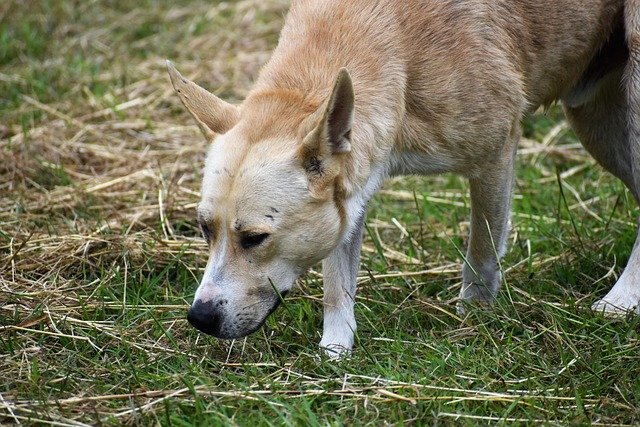
Few dog habits make owners cringe like this one. If your dog eats poop, you’re far from alone: in a large survey study led by veterinary behaviorist Benjamin Hart at UC Davis, about 1 in 6 dogs were classified as frequent poop eaters. The behavior even has a name, coprophagia.
The good news is that most cases are behavioral and manageable. The less-good news is that the popular powders and chews rarely fix it on their own. Here’s what the research actually shows, and a practical plan that focuses on what does work.
What the Research Says About Poop-Eating Dogs
At a glance: it’s common, it favors fresh stools, and it is not a sign your dog is hard to housetrain.
Hart’s team published their findings in Veterinary Medicine and Science in 2018, based on two online surveys that together drew more than 3,000 responses from dog owners. A few results stand out.
| Finding | Result |
|---|---|
| Dogs seen eating stools frequently | About 16% |
| Dogs seen doing it at least once | About 1 in 4 |
| Poop eaters that went for fresh stools (no more than two days old) | Over 80% |
| Link to “greedy eater” personality | Poop eaters were more often described as greedy eaters |
| Reported success of commercial products and common behavior fixes | Close to zero |
The researchers also found no meaningful difference by age or diet, and the habit wasn’t tied to other compulsive behaviors. The AKC, summarizing the same work, notes that the behavior was more common in homes with several dogs and that affected dogs were no harder to housetrain.
When I read that owners reported almost no success with commercial deterrents, it changed how I’d frame this whole topic: prevention and routine matter more than any product.
Why Dogs Eat Poop in the First Place
At a glance: instinct explains a lot, but medical and household factors can make it worse.
Mother dogs naturally clean up after their puppies, so the behavior isn’t foreign to dogs. Hart’s team suggested an evolutionary explanation. Ancestral wolves may have kept den areas clean by eating fresh feces, since parasite eggs in stools are typically not infective at first but can develop infective larvae after about two days. That would fit the strong preference for fresh stools.
Other contributors vets look at include:
- Medical issues. The AKC lists parasites, malabsorption, diabetes, Cushing’s disease, thyroid disease, steroid side effects, and inadequate diets as things to rule out, since they can increase appetite or affect digestion.
- Stress and confinement. Long isolation, small living spaces, and harsh housetraining methods have all been linked to the habit.
- Attention. A big reaction from you can make the behavior more rewarding.
- Easy access. Unscooped yards and open litter boxes make it effortless.
Step 1: Rule Out a Medical Cause
At a glance: sudden onset, weight loss, or a ravenous appetite means vet first.
If the habit started suddenly in an adult dog, or comes with weight loss, diarrhea, increased thirst, or constant hunger, book a vet visit before focusing on training. A fecal test for parasites is a common, inexpensive first step. Behavioral work goes much more smoothly once medical causes are off the table.
Step 2: Remove the Opportunity
At a glance: since so few quick fixes work, keeping stools out of reach is the most dependable step.
Because most dogs target fresh stools, timing is everything.
- Pick up immediately. Take your dog out on leash and clean up right after they finish.
- Walk on leash in problem areas like dog parks or trails with a lot of waste.
- Block the litter box. Use a baby gate with a cat door or a covered box your dog can’t reach.
- Supervise multi-dog yards. Since the behavior is more common in multi-dog homes, go out with the group until the habit fades.
Step 3: Train a Better Routine
At a glance: teach your dog that finishing their business means running to you for a treat.
The AKC recommends this approach. Formal research on it is limited, and the survey found common behavior fixes rarely worked on their own, so treat training as a partner to management rather than a replacement. It does work with the greedy-eater tendency instead of against it.
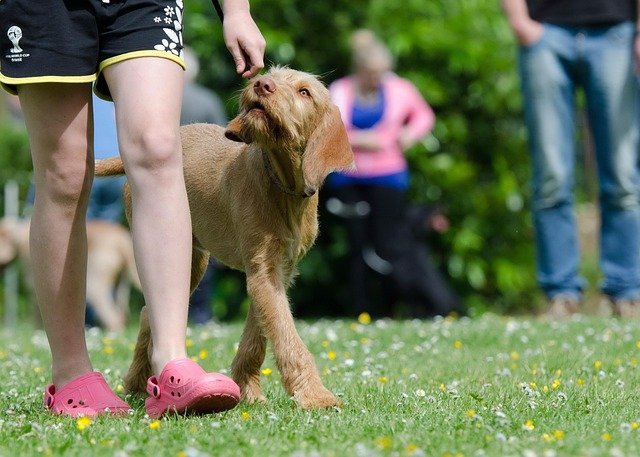
A dog focused on you after potty time isn’t sniffing around the yard.
- Reward right after elimination. The moment your dog finishes, call them and give a high-value treat. Soon they’ll turn to you automatically.
- Teach “leave it.” Practice with low-value items first, then with distractions on walks. Our leave it and drop it guide has step-by-step drills.
- Build a strong recall. A dog who comes reliably can be called away mid-sniff. See our recall training guide.
- Stay calm. Skip yelling or chasing, which can turn it into a game or make your dog gulp faster.
Use treats your dog genuinely loves. The training treat guide covers options that won’t wreck their diet.
Measure Progress With a Two-Week Log
It’s hard to tell whether a habit like this is improving from memory alone. Use this template for 14 days, then compare week one with week two.
| Day | Potty trips | Attempts to eat stool | Successful “leave it” or recall | Stools picked up right away? (Y/N) |
|---|---|---|---|---|
| 1 | ||||
| 2 | ||||
| 3 | ||||
| … | ||||
| 14 |
A useful number to watch is attempts per potty trip. If it’s falling, your plan is working, even if you still see the occasional slip.
Wrapping Up
Poop eating is common, rooted in normal canine behavior, and usually not a sign that something is wrong with your dog. Rule out medical causes first, then focus on the two things that make the biggest difference: removing access to fresh stools and rewarding your dog for coming to you after potty breaks.
Skip the idea of a magic powder. Given how rarely products or quick fixes worked in Hart’s survey, consistent daily management is what moves the needle, and that’s the part we’d put the most effort into.
Frequently Asked
Is it dangerous for my dog to eat poop?
It can spread intestinal parasites and bacteria, especially from other animals’ stools. Keep up with your vet’s recommended parasite prevention and fecal testing.
Why does my dog eat cat poop?
Cat food is high in protein and fat, and cat stools can smell appealing to dogs. Keeping the litter box out of reach is the most effective fix.
Should I try supplements or a diet change?
Only with your vet’s input. Hart’s survey found no meaningful link between diet type and poop eating, so switching foods on a hunch often doesn’t help. If your vet finds a digestive or nutritional issue, treating that is a different story.
Will my puppy grow out of it?
Some puppies do, since exploring with their mouths is normal at that age. Don’t count on it, though. Managing access and training a post-potty routine early prevents a lasting habit.
This article is general information and not a substitute for advice from your veterinarian.
References
- Hart BL, et al. (2018): The paradox of canine conspecific coprophagy, Veterinary Medicine and Science
- American Kennel Club: Why Dogs Eat Poop and How to Stop It
- Psychology Today (Stanley Coren): Which Dogs Eat Poop and Why Do They Do It?
- Animal Humane Society: The Real Story Behind Why Your Dog Eats Poop